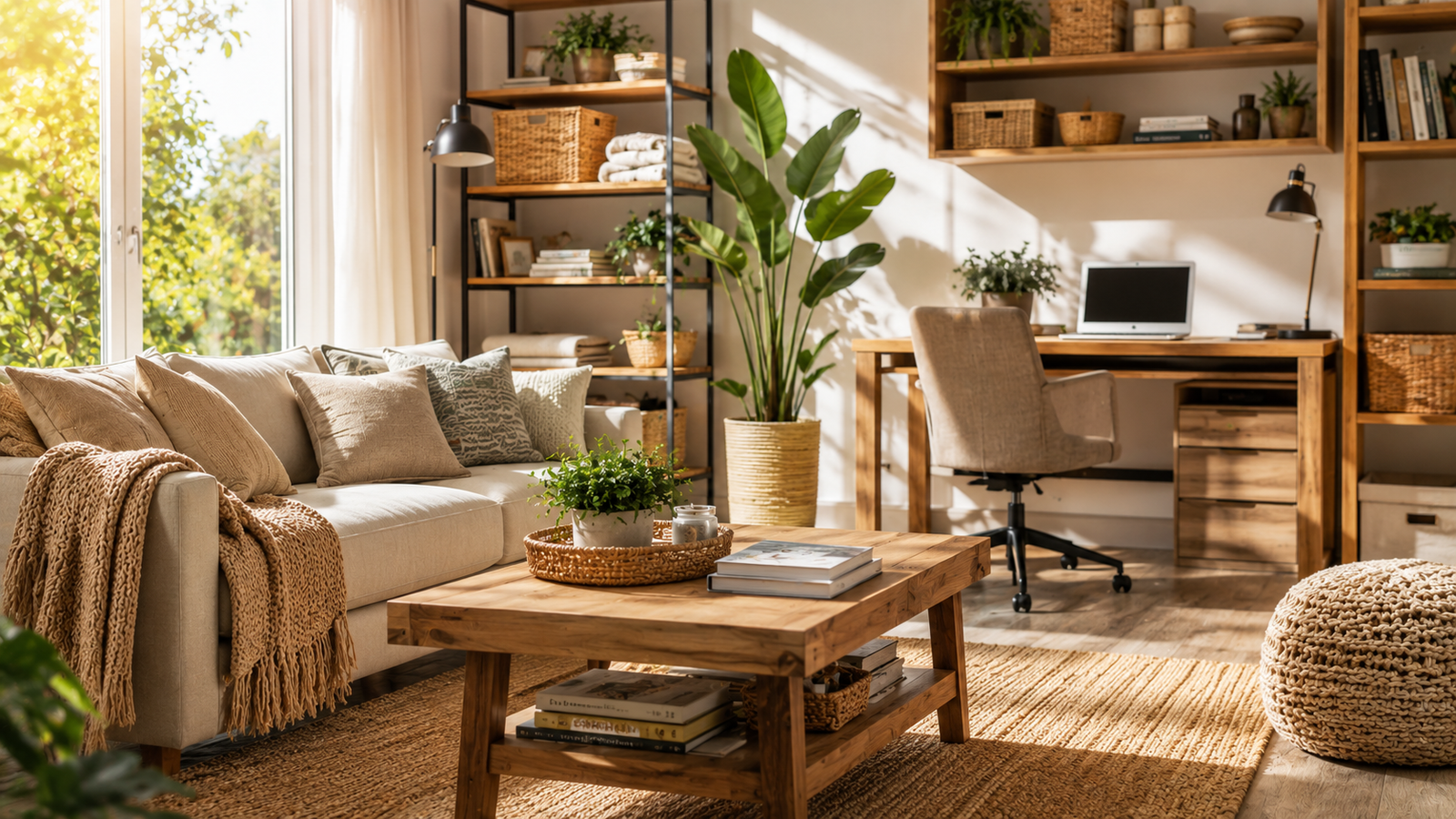
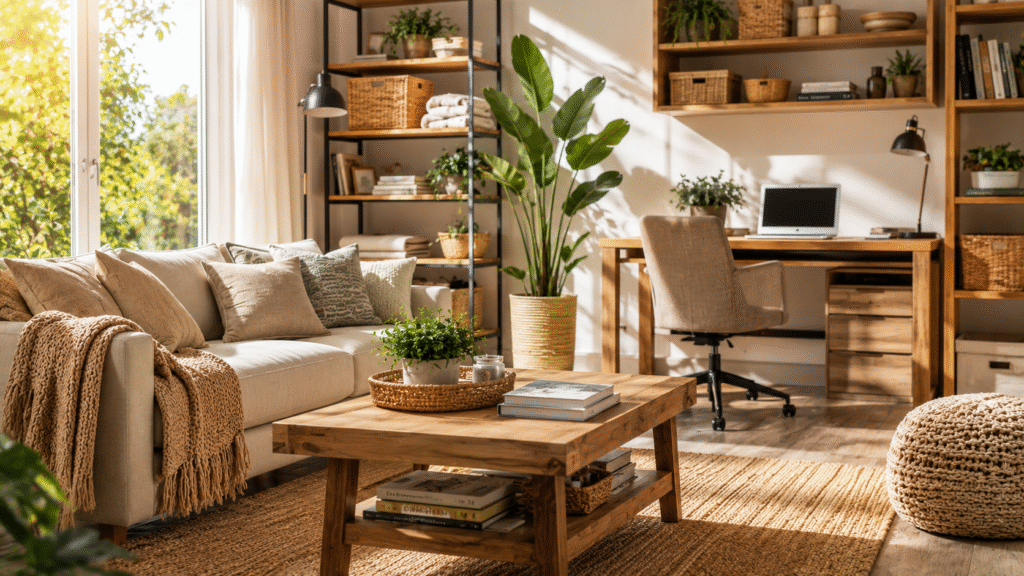
Small Changes That Make Your Home Feel More Luxurious: Simple Upgrades That Create a Big Impact

Home Feel More Luxurious

Luxury isn’t always about owning a mansion, buying designer furniture, or spending thousands on a complete renovation.

In fact, some of the most elegant homes aren’t necessarily the most expensive. What makes them memorable is how they feel. They feel calm, welcoming, thoughtfully designed, and comfortable enough that people instantly want to spend more time there.

Many homeowners and renters assume creating that atmosphere requires a large budget. They postpone home improvements until they can afford a major makeover or move into a larger space.

The reality is quite different.

Interior designers often rely on small details rather than dramatic transformations. Better lighting, carefully chosen textures, fresh greenery, pleasant scents, and thoughtful organization can completely change the mood of a room without changing its size.

Luxury is rarely about having more.

It’s about making better use of what you already have.

The good news is that anyone can create a home that feels more refined, peaceful, and inviting with a series of intentional, affordable improvements.

Whether you live in a compact apartment, a family home, or a rented space, these simple ideas can help your home look and feel more luxurious without stretching your budget.


Start With Better Lighting Instead of More Furniture

Lighting has one of the biggest influences on how a home feels.

Unfortunately, it’s also one of the most overlooked elements.

Many homes rely on a single bright ceiling light, creating a flat and sometimes harsh atmosphere.

Luxury interiors often use multiple layers of lighting instead.

A floor lamp beside a reading chair.

A table lamp on a console.

Warm bedside lighting.

Soft accent lights highlighting artwork or indoor plants.

These different light sources create depth and make a room feel warm and welcoming.

Choosing warm white bulbs instead of overly cool lighting can also make spaces feel more relaxing, especially during the evening.

Natural daylight is equally important.

Opening curtains fully during the day instantly makes rooms appear larger, brighter, and more inviting.


Decluttering Is the Fastest Way to Create an Elegant Space

Expensive furniture cannot compensate for unnecessary clutter.

Luxury homes often appear sophisticated because every item has room to breathe.

Coffee tables aren’t overflowing with random objects.

Kitchen counters remain mostly clear.

Bookshelves feel carefully arranged instead of overcrowded.

Creating this feeling doesn’t require throwing everything away.

Instead, display fewer decorative pieces while giving each one more attention.

Store everyday items inside attractive baskets, cabinets, or drawers whenever possible.

Even removing a few unnecessary objects from visible surfaces can dramatically improve how a room feels.

Sometimes what you remove creates a greater impact than what you add.


Add Texture to Make Rooms Feel Richer

One secret used by professional interior designers is layering different textures.

Texture creates visual warmth even when the color palette remains simple.

Imagine a soft woven throw blanket across a neutral sofa.

A linen cushion beside a velvet pillow.

A wooden coffee table paired with a ceramic vase.

A natural fiber rug beneath comfortable seating.

These combinations make a room feel more inviting and sophisticated without appearing overly decorated.

Mixing materials like wood, cotton, glass, metal, wool, and stone creates balance and depth that expensive-looking interiors often share.

Luxury isn’t always colorful.

Sometimes it’s beautifully textured.


Bring Nature Indoors

Fresh greenery instantly transforms almost any room.

Plants soften sharp edges, improve visual balance, and create a sense of life that artificial decorations often cannot match.

You don’t need an indoor jungle.

Even one healthy plant placed thoughtfully near a window can brighten an entire space.

Snake plants, peace lilies, pothos, ZZ plants, and rubber plants remain popular because they’re attractive and relatively easy to maintain.

Fresh flowers can also make everyday spaces feel special.

A simple arrangement placed on a dining table or kitchen island often creates the impression that guests are always welcome.

Nature has a calming effect that no decorative accessory can fully replace.


Upgrade Everyday Textiles

Few things influence comfort more than the fabrics we use every day.

Replacing worn-out towels, faded cushions, or thin bedding with higher-quality alternatives doesn’t necessarily require buying luxury brands.

Look for soft cotton sheets.

Comfortable blankets.

Well-made curtains.

Plush bath towels.

Neutral cushion covers.

These everyday upgrades improve both comfort and appearance.

Even changing seasonal textiles can refresh your home without major expense.

Light cotton fabrics during warmer months.

Cozy knitted blankets during winter.

Small changes like these make your home feel intentionally designed rather than simply furnished.


Choose Quality Over Quantity When Decorating

Many people believe filling empty shelves automatically makes a room look complete.

In reality, too many decorative items often create visual clutter.

Luxury interiors usually follow a different philosophy.

Fewer items.

Higher impact.

Instead of displaying ten small ornaments together, consider choosing one beautiful vase, a framed photograph, or a carefully selected piece of artwork.

Allowing decorative objects space to stand out creates a more refined atmosphere.

Every item should feel intentional rather than accidental.


Make Your Entryway Feel Welcoming

The entrance to your home creates the first impression for both visitors and yourself.

After a busy day, walking into a clean, organized entryway immediately creates a sense of calm.

A stylish mirror.

Fresh flowers.

A woven basket for shoes.

A small tray for keys.

A simple bench.

These practical additions make the space both functional and attractive.

Even compact apartments can create an inviting entrance through thoughtful organization rather than expensive furniture.

Luxury begins with the first few steps inside.


Upgrade Your Scent, Not Just Your Dรฉcor

People often remember how a home feels before they remember how it looks.

Scent plays a surprisingly important role.

Fresh linen.

Citrus.

Lavender.

Vanilla.

Sandalwood.

Subtle home fragrances can create a welcoming atmosphere that immediately makes spaces feel more refined.

Natural candles, reed diffusers, or essential oil diffusers provide gentle fragrance without becoming overwhelming.

Opening windows regularly also keeps indoor air feeling fresh while allowing natural ventilation to improve overall comfort.

A pleasant-smelling home quietly communicates cleanliness and care.


Display Personal Items Thoughtfully

Luxury homes don’t feel cold or impersonal.

They simply avoid displaying everything at once.

Family photographs.

Travel souvenirs.

Books.

Artwork.

Meaningful collections.

These personal touches give a home character.

Instead of spreading them throughout every room, create intentional displays that tell a story.

A travel shelf.

A reading corner.

A gallery wall.

A beautifully styled bookshelf.

Thoughtful displays create warmth while avoiding unnecessary visual clutter.

The goal isn’t hiding your personality.

It’s highlighting it.


Small Daily Habits Keep Your Home Feeling Luxurious

Even the most beautifully designed home quickly loses its appeal without regular care.

Fortunately, maintaining a polished space often requires only a few minutes each day.

Making the bed.

Putting dishes away after meals.

Straightening cushions.

Wiping kitchen counters.

Returning items to their proper place.

These small habits prevent clutter from building up and help your home feel consistently calm and welcoming.

Luxury isn’t something created once.

It’s maintained through simple daily routines.

Small Changes That Make Your Home Feel More Luxurious (Part 2)


Choose a Calm Color Palette

Color influences the way a room feels long before anyone notices the furniture.

Luxury interiors often avoid using too many bold colors in the same space. Instead, they rely on calming shades that create a sense of balance and openness.

Soft whites, warm beige, light gray, earthy greens, muted blues, and natural wood tones remain timeless because they’re easy to combine and never feel overwhelming.

This doesn’t mean your home has to be colorless.

Adding subtle accents through cushions, artwork, rugs, or decorative accessories can introduce personality without making the room appear cluttered.

A balanced color palette allows natural light, textures, and carefully chosen dรฉcor to become the main focus.


Create a Bedroom That Feels Like a Boutique Hotel

One of the easiest ways to make your home feel luxurious is by upgrading your bedroom experience.

Think about what makes staying in a quality hotel so enjoyable.

Fresh bedding.

Comfortable pillows.

Soft lighting.

A tidy room.

A peaceful atmosphere.

You can recreate many of these details at home without a large investment.

Choose crisp bed linens in neutral colors.

Layer your bed with cushions and a cozy throw blanket.

Place matching bedside lamps on each side of the bed if space allows.

Keep bedside tables uncluttered, displaying only a few essentials such as a lamp, a book, or a small plant.

Even making your bed every morning instantly makes the entire room feel more polished.


Refresh Your Bathroom Without Renovating

Bathrooms often receive less attention than living rooms or kitchens, yet they’re one of the most frequently used spaces in any home.

Fortunately, creating a spa-like atmosphere doesn’t require expensive remodeling.

Replace old towels with soft, matching ones.

Use attractive soap dispensers instead of disposable plastic bottles.

Store toiletries neatly inside baskets or drawers.

Add a small indoor plant if natural light is available.

A scented candle, a simple tray for everyday essentials, or a clean bath mat can make the room feel significantly more refined.

Luxury is often found in thoughtful details rather than expensive fixtures.


Let Natural Light Become Part of the Design

Natural light is one of the most valuable design features any home can have.

Instead of blocking windows with heavy furniture or dark curtains, allow sunlight to flow through your rooms whenever possible.

Sheer curtains can soften bright daylight while still keeping spaces bright and airy.

Mirrors placed opposite windows help reflect light throughout the room, making smaller spaces appear larger and more open.

Clean windows also make a noticeable difference.

Sometimes the simplest improvements have the greatest visual impact.


Invest in a Few Statement Pieces

Not every room needs dozens of decorative accessories.

One carefully chosen statement piece often creates more impact than several smaller decorations.

This could be:

  • A large piece of artwork.
  • A stylish floor lamp.
  • A beautiful mirror.
  • An elegant area rug.
  • A designer-inspired coffee table.
  • A sculptural vase.

These focal points naturally draw attention and give a room a sense of purpose.

The surrounding dรฉcor can remain simple, allowing the statement piece to stand out.


Hide Everyday Clutter

Luxury homes often appear calm because everyday necessities aren’t always visible.

Charging cables.

Remote controls.

Cleaning supplies.

Children’s toys.

Pet accessories.

Mail.

These items are part of daily life, but they don’t always need to stay on display.

Decorative baskets, storage ottomans, cabinets, and drawer organizers make it easier to keep essential items accessible without creating visual clutter.

A room instantly feels more peaceful when surfaces remain mostly clear.


Add Small Details That Elevate Everyday Living

Luxury is often experienced through little moments.

A ceramic mug instead of a disposable cup.

Fresh flowers on the dining table.

A neatly folded blanket on the sofa.

A favorite scented candle during the evening.

A tray that keeps coffee essentials organized.

These details don’t cost much, yet they encourage you to slow down and enjoy your surroundings.

A beautiful home isn’t only about impressing guests.

It’s about creating a place where you genuinely enjoy spending time.


Avoid Common Decorating Mistakes

Many people unintentionally make rooms feel smaller or busier than necessary.

One common mistake is pushing all furniture against the walls. In some spaces, pulling seating slightly inward creates a more comfortable conversation area.

Another mistake is buying dรฉcor simply because it’s fashionable.

Trends change quickly, but your home should reflect your own lifestyle and personality.

Ignoring scale is another issue.

Very small artwork on a large wall or oversized furniture in a compact room can make spaces feel unbalanced.

Choosing pieces that suit the size of the room creates a more harmonious look.

Finally, don’t overlook maintenance.

Even the most beautiful room loses its appeal if it’s dusty, cluttered, or poorly cared for.

Cleanliness remains one of the simplest ways to make any home feel luxurious.


Luxury Is About Comfort, Not Perfection

Social media often presents homes that look flawless every minute of the day.

Real homes are different.

People cook meals.

Children play.

Pets explore.

Friends visit.

Life happens.

The goal isn’t to create a house where nothing can be touched.

The goal is to create a home that feels peaceful, functional, and welcoming while supporting your everyday routine.

Luxury isn’t measured by price tags.

It’s measured by how your home makes you feel when you walk through the front door.

Comfort, warmth, and thoughtful design will always outlast temporary decorating trends.


Final Thoughts

Creating a luxurious home doesn’t require a complete renovation or a designer-sized budget.

It begins with paying attention to the details that shape everyday living.

Better lighting, soft textures, fresh greenery, calming colors, organized spaces, pleasant scents, and consistent daily habits all work together to transform ordinary rooms into places that feel elegant and inviting.

The most beautiful homes aren’t necessarily the largest or the most expensive.

They’re the ones that reflect the people who live in them while offering comfort, warmth, and peace.

Start with one room.

One improvement.

One thoughtful change.

Over time, those small upgrades create a home that feels far more luxurious than its price tag might suggest.


Key Takeaways

  • Layered lighting creates a warmer and more sophisticated atmosphere.
  • Decluttering is one of the fastest ways to make a home feel elegant.
  • Natural textures and greenery add warmth and visual interest.
  • Small upgrades in bedrooms and bathrooms can dramatically improve comfort.
  • Consistent daily habits help maintain a clean, inviting home.

Frequently Asked Questions

Can I make my home look luxurious on a small budget?

Yes. Simple improvements such as better lighting, decluttering, fresh textiles, indoor plants, and thoughtful dรฉcor placement can make a noticeable difference without major expenses.

What colors make a home feel more luxurious?

Neutral shades such as warm white, beige, soft gray, earthy green, and muted blue create a timeless and elegant atmosphere.

Do indoor plants really improve home interiors?

Yes. Plants add color, texture, and freshness while helping rooms feel more welcoming and connected to nature.

What’s the easiest room to upgrade first?

Many people start with the living room or bedroom because small improvements in these spaces often have the biggest impact on everyday comfort.

Is luxury interior design about buying expensive furniture?

Not necessarily. Luxury is more about thoughtful design, quality over quantity, organization, comfort, and attention to detail than high price tags.


Editorial Disclaimer

Disclaimer: This article is intended for informational and educational purposes only. The home styling ideas and design suggestions shared are general recommendations and may not suit every home, budget, or personal preference. Readers should consider their available space, safety requirements, and individual needs before making changes. Any products, brands, or dรฉcor concepts mentioned are included solely for editorial purposes and do not constitute endorsements or guarantees of specific outcomes.


Common Travel Mistakes and How to Avoid Them: Smart Tips for a Smoother Journey

Common Travel Mistakes

There’s a unique excitement that comes with planning a trip. You imagine breathtaking landscapes, delicious local food, unforgettable experiences, and memories that will last a lifetime. Whether it’s your first international vacation or your tenth adventure, travel has a way of filling us with anticipation long before we pack our bags.

Yet even the most carefully planned trips can take unexpected turns.

A forgotten passport, an overstuffed suitcase, missing a flight because of poor timing, or realizing you’ve exchanged money at an unfavorable rateโ€”these small mistakes can quickly turn excitement into stress.

The good news is that most travel problems aren’t caused by bad luck. They’re often the result of simple oversights that can be avoided with a little preparation.

Experienced travelers rarely have perfect trips because nothing ever goes wrong. Instead, they know how to plan ahead, stay flexible, and avoid the common mistakes that catch many people by surprise.

Whether you’re preparing for your very first vacation abroad or looking to make your future travels smoother, understanding these common travel mistakes can save you time, money, and unnecessary frustration.

After all, the best travel memories come from exploring new placesโ€”not solving avoidable problems.

Common Travel Mistakes
Common Travel Mistakes and How to Avoid Them

Trying to See Too Much in Too Little Time

One of the biggest mistakes travelers make is believing they need to visit as many places as possible.

It sounds exciting on paper.

Three cities in five days.

Four countries in one week.

A packed itinerary from sunrise until late at night.

In reality, rushing from one attraction to another often leaves travelers feeling exhausted instead of inspired.

Long train rides, airport transfers, hotel check-ins, and unexpected delays consume far more time than many people expect.

Instead of collecting passport stamps, consider spending more time experiencing fewer destinations.

Walking through a neighborhood without checking the time.

Enjoying a relaxed lunch at a local cafรฉ.

Watching the sunset from a quiet viewpoint.

These slower moments often become the most memorable parts of a journey.

Travel isn’t a competition.

It’s an experience.


Waiting Until the Last Minute to Book Everything

Spontaneous travel can be exciting, but relying entirely on last-minute bookings often leads to higher prices and fewer choices.

Flights may become significantly more expensive.

Popular accommodations may already be full.

Tickets for famous attractions might sell out days or even weeks in advance.

Planning ahead doesn’t mean removing all flexibility from your trip.

It simply creates a stronger foundation.

Booking transportation and accommodation early allows you to spend more time enjoying your destination instead of searching for alternatives after arriving.

Keeping digital copies of confirmations and reservation details also makes your journey much smoother.


Packing More Than You Actually Need

Almost everyone overpacks on their first major trip.

The thought process is understandable.

“What if I need another jacket?”

“What if the weather changes?”

“What if I need five different pairs of shoes?”

The result is often a heavy suitcase that becomes increasingly frustrating as the journey continues.

Carrying oversized luggage through airports, train stations, cobblestone streets, or public transportation quickly becomes exhausting.

Instead of packing for every possible situation, pack for the most likely ones.

Choose clothing that can be mixed and matched.

Wear your bulkiest shoes while traveling.

Leave room in your luggage for souvenirs or unexpected purchases.

Many destinations also have laundry facilities, making it unnecessary to pack an outfit for every single day.

Travel feels surprisingly easier with lighter luggage.


Ignoring Travel Insurance

Some travelers view travel insurance as an unnecessary expense.

Until they need it.

Lost luggage.

Flight cancellations.

Medical emergencies.

Unexpected illnesses.

Natural disasters.

These situations are uncommon, but when they happen, they can become extremely costly.

Travel insurance doesn’t guarantee that problems won’t occur.

It simply provides financial protection and peace of mind if they do.

Reading the policy carefully before purchasing helps you understand what is and isn’t covered.

A small investment before your trip can prevent much larger expenses later.


Forgetting to Check Passport and Visa Requirements

Nothing ends a trip faster than discovering your passport doesn’t meet entry requirements.

Many countries require passports to remain valid for at least six months beyond the travel date.

Some destinations also require visas, electronic travel authorizations, proof of onward travel, or additional documentation.

Requirements vary depending on your nationality and destination.

Checking official government travel information several weeks before departure helps avoid unpleasant surprises at the airport.

It’s also wise to keep digital and printed copies of important documents in separate locations throughout your trip.

Preparation creates confidence.


Depending Entirely on Your Phone

Modern smartphones have transformed travel.

Maps.

Boarding passes.

Translation apps.

Hotel reservations.

Payment methods.

Everything seems to exist inside one device.

Until the battery dies.

Or there’s no internet connection.

Or the phone is lost.

Smart travelers prepare backup options.

Download offline maps before leaving.

Carry a portable power bank.

Write down important addresses.

Keep printed copies of critical travel documents whenever possible.

Technology is incredibly helpful.

It simply shouldn’t become your only plan.


Exchanging All Your Money at the Airport

Airport currency exchange counters are convenient.

Unfortunately, convenience often comes with less favorable exchange rates.

Many travelers unknowingly lose a significant amount of money before even reaching their destination.

Researching exchange options in advance can help you find better rates through banks, trusted exchange services, or travel-friendly payment cards.

Carrying a small amount of local currency for immediate expenses is sensible, but exchanging your entire travel budget at the airport is rarely the most economical choice.

Small financial decisions throughout a trip can add up to meaningful savings.


Not Researching Local Culture

Every destination has its own traditions, customs, and expectations.

Simple gestures that feel normal at home may have different meanings elsewhere.

Learning a few local customs before arriving demonstrates respect and often creates warmer interactions with local residents.

Understanding dress codes for religious sites, tipping practices, public transportation etiquette, and basic greetings helps travelers feel more comfortable while avoiding accidental misunderstandings.

Travel becomes more rewarding when curiosity is matched with cultural awareness.


Forgetting to Leave Space for Unexpected Adventures

Detailed itineraries certainly have value.

However, scheduling every minute leaves little room for discovery.

Sometimes the best travel experiences aren’t listed in guidebooks.

A local festival.

A hidden cafรฉ.

A scenic walking trail recommended by a resident.

An unforgettable conversation with another traveler.

Allowing free time creates opportunities for these spontaneous moments.

Some of the world’s greatest travel stories begin with unplanned decisions.


Budgeting Only for the Big Expenses

Flights and hotels often receive the most attention during trip planning.

Yet smaller daily expenses quietly add up.

Transportation.

Coffee.

Museum tickets.

Local snacks.

Public restrooms.

Tips.

Souvenirs.

Unexpected taxi rides.

Creating a realistic travel budget that includes these smaller purchases helps reduce financial stress while you’re away.

Having a small emergency fund also provides reassurance if unexpected expenses arise.

Good budgeting isn’t about limiting enjoyment.

It’s about avoiding unpleasant surprises.

Common Travel Mistakes and How to Avoid Them (Part 2)


Forgetting to Stay Flexible When Plans Change

Even the best-planned trips can encounter unexpected changes.

Flights may be delayed because of weather.

A popular attraction could close for maintenance.

Public transportation might be disrupted.

Instead of letting these situations ruin your vacation, try viewing them as part of the travel experience.

Experienced travelers understand that flexibility often leads to unexpected discoveries. A delayed train might give you time to explore a neighborhood you hadn’t planned to visit. A rainy afternoon could lead you to a cozy cafรฉ serving the best local dessert you’ve ever tasted.

The ability to adapt often matters more than having a perfect itinerary.


Skipping Rest in the Name of Sightseeing

It’s tempting to wake up early every morning and stay out until late at night to “make the most” of your trip.

But constant sightseeing can quickly become exhausting.

Walking 20,000 steps a day, navigating unfamiliar streets, and adjusting to different climates or time zones can take a toll on both your body and mind.

Taking short breaks isn’t wasting time.

It’s helping you enjoy the rest of your journey.

Relax at a local park, enjoy a leisurely lunch, or simply spend an hour people-watching in a public square.

Often, these slower moments become some of the most memorable parts of traveling.


Relying Only on Tourist Attractions

Famous landmarks deserve their popularity, but they rarely tell the complete story of a destination.

Some of the most authentic experiences happen away from crowded tourist areas.

Visit neighborhood markets.

Explore local cafรฉs.

Walk through residential streets.

Attend community events if they’re open to visitors.

Support family-owned restaurants and local businesses.

These experiences often provide a deeper understanding of the destination while helping local communities benefit from tourism.

Travel becomes more meaningful when you experience a place as more than just a visitor.


Ignoring Basic Health and Hydration

Travel often changes daily routines.

People walk more, spend more time outdoors, eat different foods, and sometimes forget simple habits like drinking enough water.

Staying hydrated is especially important during long flights, hot weather, or active sightseeing.

Packing basic medications, sunscreen, and a reusable water bottle can prevent small health issues from interrupting your trip.

Listening to your body is just as important as following your itinerary.

A healthy traveler enjoys more of every destination.


Posting Everything on Social Media Immediately

Sharing travel memories is part of the experience for many people.

However, constantly focusing on taking the perfect photo can sometimes prevent you from fully enjoying the moment.

Instead of viewing every destination through a phone screen, take time to appreciate what you’re seeing.

Watch the sunset without recording every second.

Enjoy a meal before photographing it.

Have conversations without checking notifications.

Your memories often become stronger when you experience them directly rather than through a camera lens.

Many travelers also choose to share photos after returning home instead of broadcasting their location in real time, which can be a safer approach.


Respect the Places You Visit

Responsible travel benefits both visitors and local communities.

Simple actions can make a positive difference.

Dispose of waste properly.

Carry a reusable water bottle whenever possible.

Respect wildlife by observing from a distance.

Stay on marked hiking trails.

Avoid damaging historical monuments or natural environments.

Support local businesses instead of only international chains.

Every traveler leaves an impact.

Choosing responsible habits helps preserve beautiful destinations for future generations.


Learn a Few Words in the Local Language

You don’t need to become fluent before traveling.

But learning a few simple phrases can completely change your experience.

“Hello.”

“Thank you.”

“Please.”

“Excuse me.”

“How much?”

These small efforts often create genuine smiles and positive interactions.

Local residents usually appreciate visitors who make an effort to respect their language and culture.

Communication isn’t only about words.

It’s also about showing respect.


Remember That Every Trip Won’t Go Perfectly

Every experienced traveler has stories about missed buses, unexpected rainstorms, forgotten chargers, confusing train stations, or getting temporarily lost.

Those moments often become the funniest memories later.

Perfection isn’t the goal.

Growth is.

Each journey teaches new lessons about planning, flexibility, confidence, and problem-solving.

The more you travel, the more comfortable you’ll become handling the unexpected.

Mistakes don’t mean the trip failed.

They simply become part of the story you’ll tell afterward.


Final Thoughts

Travel is one of life’s most rewarding experiences, but even unforgettable adventures can be affected by avoidable mistakes.

Fortunately, most travel problems have simple solutions.

Planning ahead, packing thoughtfully, respecting local cultures, staying flexible, and prioritizing your health can dramatically improve your overall experience.

Remember that travel isn’t about following a perfect schedule or checking every attraction off a list.

It’s about discovering new places, meeting different people, experiencing unfamiliar cultures, and creating memories that stay with you long after you’ve returned home.

The best travelers aren’t the ones who never make mistakes.

They’re the ones who learn from each journey and become more confident with every adventure.

With a little preparation and an open mind, your next trip can be smoother, safer, and even more enjoyable than you imagined.


Key Takeaways

  • Plan ahead but remain flexible when unexpected changes occur.
  • Pack light and carry only what you’ll realistically need.
  • Verify passport validity, visa requirements, and travel documents before departure.
  • Balance sightseeing with adequate rest and hydration.
  • Respect local customs, cultures, and the environment wherever you travel.

Frequently Asked Questions

What is the biggest mistake first-time travelers make?

Many first-time travelers try to fit too many destinations into one trip, leaving little time to fully enjoy each place.

Is travel insurance really necessary?

While it’s not legally required for every destination, travel insurance can provide valuable financial protection against medical emergencies, cancellations, delays, or lost luggage.

How far in advance should I book a trip?

Booking flights and accommodation several weeks or months ahead often provides better prices and greater availability, especially during busy travel seasons.

How can I avoid overpacking?

Choose versatile clothing, pack only essential items, and remember that laundry services are available in many destinations.

Why is learning about local culture important?

Understanding local customs helps travelers show respect, avoid misunderstandings, and enjoy more meaningful interactions with local communities.

Editorial Disclaimer

Disclaimer: This article is published for informational and educational purposes only. Travel regulations, airline policies, visa requirements, entry restrictions, health advisories, and local laws may change over time and vary by destination and nationality. Readers should always verify information with official government agencies, airlines, embassies, and relevant travel authorities before making travel plans. Any destinations, transportation services, accommodations, or businesses mentioned are included solely for editorial purposes and do not constitute endorsements or guarantees of specific experiences.

Small Habits That Make Relationships Stronger Over Time: Everyday Actions That Build Lasting Connections

Relationships Stronger Over Time

Strong relationships rarely happen by chance.

When people look at couples who have been happily together for decades or lifelong friends who seem to understand each other without saying a word, it’s easy to assume they’ve simply been lucky. In reality, most lasting relationships aren’t built on grand romantic gestures or expensive gifts. They’re built on countless small moments that often go unnoticed.

A quick check-in during a busy day.

Remembering someone’s favorite snack.

Listening without interrupting.

Laughing together after a difficult week.

These tiny acts may seem insignificant on their own, but over time they become the foundation of trust, comfort, and emotional security.

Modern life, however, makes maintaining relationships more challenging than ever. Busy schedules, endless notifications, work commitments, and digital distractions often leave little room for meaningful conversations. It’s possible to spend hours with someone while barely connecting at all.

The encouraging news is that strengthening a relationship doesn’t usually require dramatic changes. Research in psychology and relationship science consistently suggests that small, consistent habits often matter more than occasional grand gestures.

Whether you’re nurturing a marriage, a long-term partnership, a close friendship, or family relationships, these everyday habits can help create stronger, healthier connections that stand the test of time.


Give Your Full Attention, Even for a Few Minutes

One of the greatest gifts you can offer another person costs absolutely nothing.

Your attention.

In today’s world, genuine attention has become surprisingly rare. Conversations are often interrupted by phone notifications, incoming emails, or the temptation to quickly check social media.

Highly connected technology has, in many ways, created emotionally disconnected moments.

When someone is speaking, putting your phone aside and making eye contact communicates something powerful:

“You matter.”

Even ten uninterrupted minutes of conversation can create a stronger sense of connection than hours spent together while distracted.

People rarely remember every word of a conversation.

They remember how the conversation made them feel.


Learn to Listen Instead of Preparing Your Response

Many conversations involve two people waiting for their turn to speak.

True listening is different.

It means understanding before responding.

When someone shares a concern, they aren’t always looking for immediate advice or solutions.

Sometimes they simply want to feel heard.

Listening without interrupting allows people to express themselves fully.

Simple responses such as, “That sounds difficult,” or “I understand why you feel that way,” often provide more comfort than trying to solve every problem.

Feeling understood creates emotional safety, one of the strongest foundations of any healthy relationship.


Express Appreciation More Often Than You Think

One of the easiest habits to overlook is gratitude.

Over time, people naturally begin expecting the thoughtful things their loved ones do every day.

Preparing dinner.

Driving the children to school.

Working long hours.

Helping with household chores.

Offering emotional support.

These everyday contributions often become invisible simply because they’re consistent.

Taking a moment to say “thank you” reminds people that their efforts are noticed and valued.

Appreciation doesn’t have to be elaborate.

Sometimes one sincere sentence can brighten someone’s entire day.

Relationships grow stronger when people feel seen.


Make Time for Shared Experiences

Life becomes busy surprisingly quickly.

Work deadlines.

School activities.

Household responsibilities.

Appointments.

Before long, weeks pass without spending meaningful time together.

Strong relationships require shared experiencesโ€”not necessarily expensive vacations or elaborate plans, but regular moments that create memories.

Cooking dinner together.

Taking an evening walk.

Watching a favorite movie.

Playing a board game.

Trying a new cafรฉ.

Visiting a local park.

These simple activities strengthen emotional bonds because they allow people to enjoy each other’s company without constant distractions.

The activity itself matters less than the time spent together.


Don’t Wait for Special Occasions to Show Kindness

Birthdays.

Anniversaries.

Valentine’s Day.

While celebrations are wonderful, relationships flourish through ordinary kindness rather than occasional grand events.

Bringing home someone’s favorite dessert after work.

Sending an encouraging message before an important meeting.

Making coffee for your partner before they wake up.

Helping with household tasks without being asked.

These thoughtful gestures quietly communicate care.

Over months and years, they become powerful reminders that love is expressed through actions as much as words.


Respect Differences Instead of Trying to Change Them

Every person brings unique experiences, opinions, habits, and personalities into a relationship.

Disagreements are not signs that a relationship is failing.

They’re signs that two different individuals are sharing life together.

Healthy relationships don’t require identical opinions.

They require mutual respect.

Instead of asking, “How can I change this person?”

A more helpful question is,

“How can we better understand each other?”

Curiosity often resolves conflict more effectively than criticism.


Create Small Daily Rituals

One reason lasting relationships remain strong is that they often include comforting routines.

Sharing morning coffee.

Eating dinner together whenever possible.

Taking a walk after work.

Saying goodnight without distractions.

Checking in during lunch.

These rituals create stability.

Even during stressful seasons of life, familiar routines remind people that their relationship remains a priority.

The rituals themselves may seem ordinary.

Their consistency is what makes them meaningful.


Learn the Difference Between Hearing and Understanding

Many arguments continue not because people disagree but because they misunderstand each other.

Instead of immediately defending your position, try asking questions.

“What did you mean by that?”

“Can you help me understand?”

“What would make this situation better for you?”

These questions shift conversations away from blame and toward understanding.

Feeling understood often reduces conflict before solutions are even discussed.

Communication isn’t simply about speaking clearly.

It’s about making sure the other person feels heard.


Celebrate Small Wins Together

Relationships shouldn’t only focus on solving problems.

Celebrating everyday successes creates positive emotional memories.

Completing a difficult project.

Learning a new skill.

Cooking a great meal.

Finishing a workout.

Receiving good news.

Even small accomplishments deserve recognition.

Sharing happiness strengthens relationships just as much as supporting each other during difficult times.

People naturally feel closer to those who celebrate their victories instead of overlooking them.


Healthy Relationships Grow Through Consistency

One meaningful conversation won’t create lifelong trust.

One apology won’t instantly heal every disagreement.

One thoughtful gift won’t replace months of emotional distance.

Healthy relationships are built the same way strong friendships, successful careers, and healthy lifestyles are built.

Consistently.

The smallest habits often become the strongest foundations because they’re repeated again and again.

Kind words.

Patient listening.

Shared laughter.

Respect.

Gratitude.

These simple actions quietly shape relationships every single day.

Learn to Apologize Without Defending Yourself

Every relationship experiences misunderstandings.

What often determines whether the relationship grows stronger or weaker isn’t the disagreement itselfโ€”it’s how both people respond afterward.

A sincere apology focuses on understanding the other person’s feelings rather than proving who was right.

Instead of saying, “I’m sorry, but…”, try simply acknowledging the impact of your actions.

A heartfelt apology can sound like:

“I’m sorry I hurt you. I understand why you felt that way, and I’ll try to do better.”

Owning mistakes without becoming defensive builds trust and emotional safety. It shows maturity and a willingness to grow together.


Keep Supporting Each Other’s Individual Growth

Strong relationships aren’t about becoming the same person.

Healthy partners, friends, and family members encourage one another to continue learning, exploring interests, and pursuing personal goals.

Whether someone wants to learn a new language, change careers, start exercising, or discover a new hobby, encouragement matters.

Supporting another person’s dreams doesn’t weaken the relationship.

It strengthens it by showing respect for who they are becoming.

People often feel closest to those who celebrate both who they are today and who they hope to become tomorrow.


Handle Disagreements With Respect

Disagreements are a natural part of every meaningful relationship.

The goal isn’t to avoid conflict altogether.

It’s to disagree respectfully.

Avoid raising your voice simply to win an argument.

Focus on the issue rather than attacking the person’s character.

Statements such as, “I felt hurt when this happened,” usually lead to healthier conversations than accusations like, “You always do this.”

Taking a short break when emotions become overwhelming is also perfectly acceptable. Returning to the conversation with a calmer mindset often leads to better understanding and more constructive solutions.

Respect during difficult conversations builds stronger relationships than agreement during easy ones.


Don’t Underestimate the Power of Everyday Kindness

Kindness isn’t reserved for life’s biggest moments.

It’s found in everyday actions.

Holding the door open.

Making someone laugh after a stressful day.

Bringing home their favorite snack.

Offering help without being asked.

Checking in after an important meeting.

These small gestures quietly communicate love, care, and appreciation.

Over time, they become part of the emotional foundation that helps relationships remain resilient during more challenging seasons.

Consistency often matters far more than intensity.


Protect Your Relationship From Constant Digital Distractions

Technology has made communication easier than ever.

Ironically, it has also made genuine connection more difficult.

Many people spend evenings sitting beside each other while scrolling through separate screens.

Being physically present isn’t always the same as being emotionally present.

Creating screen-free momentsโ€”even for twenty or thirty minutes each dayโ€”can make a noticeable difference.

Dinner without phones.

A walk without notifications.

A conversation before bed.

These simple boundaries help create space for meaningful interaction and remind both people that the relationship deserves undivided attention.


Never Stop Learning About Each Other

One common mistake in long-term relationships is assuming we already know everything about the other person.

People continue changing throughout life.

Their dreams evolve.

Their interests shift.

Their priorities grow.

Remaining curious keeps relationships fresh.

Ask meaningful questions.

“What are you excited about lately?”

“What’s something you’ve always wanted to learn?”

“What made you smile today?”

Curiosity creates conversations that go beyond daily routines and strengthens emotional intimacy over time.


Build a Relationship That Feels Like a Safe Place

One of the greatest compliments anyone can receive is hearing:

“I feel comfortable being myself around you.”

Healthy relationships create emotional safety.

People shouldn’t feel afraid to express their thoughts, admit mistakes, celebrate successes, or share difficult emotions.

Acceptance doesn’t mean agreeing on everything.

It means creating an environment where honesty is welcomed without fear of judgment.

When people feel emotionally safe, trust grows naturally.

And trust remains one of the strongest foundations of every lasting relationship.


Final Thoughts

Strong relationships are rarely built through one extraordinary moment.

They’re built through hundreds of ordinary ones.

Listening with genuine attention.

Saying thank you.

Sharing everyday experiences.

Respecting differences.

Showing kindness without expecting anything in return.

Making time for meaningful conversations.

These habits may seem small, but together they create something remarkably powerful: trust.

Whether you’re strengthening a romantic relationship, nurturing a lifelong friendship, or deepening family connections, remember that consistency matters more than perfection.

You don’t have to transform your relationship overnight.

Start with one small habit.

Listen more carefully.

Express appreciation more often.

Put your phone away during dinner.

Take an evening walk together.

The smallest actions, repeated day after day, often become the strongest expressions of love and care.

In the end, relationships thrive not because everything is perfect, but because people continue choosing each other through life’s ordinary moments.


Key Takeaways

  • Healthy relationships are strengthened through consistent daily habits.
  • Active listening and full attention create deeper emotional connections.
  • Small acts of kindness often matter more than grand gestures.
  • Respectful communication helps resolve disagreements constructively.
  • Shared experiences and regular appreciation build lasting trust.

Frequently Asked Questions

What is the most important habit for a healthy relationship?

There isn’t a single habit that guarantees success, but honest communication, mutual respect, active listening, and consistent appreciation are widely considered essential.

Can small daily habits really improve relationships?

Yes. Small, thoughtful actions repeated consistently often have a greater long-term impact than occasional grand gestures because they build trust and emotional security over time.

How can busy couples stay connected?

Setting aside even 15โ€“20 minutes of uninterrupted time each day, sharing meals, taking walks, or having regular conversations without digital distractions can strengthen connection.

Is it normal to have disagreements in healthy relationships?

Absolutely. Disagreements are natural. What matters is handling them respectfully, listening to each other, and working together toward solutions.

Why is appreciation important in relationships?

Expressing gratitude helps people feel valued, recognized, and emotionally supported, which strengthens trust and encourages positive interactions.


Editorial Disclaimer

Disclaimer: This article is intended for informational and educational purposes only. The relationship tips and communication strategies discussed are based on general principles of healthy interpersonal relationships and are not a substitute for professional counseling, therapy, or medical advice. Every relationship is unique, and individual experiences may vary. If you are experiencing ongoing relationship difficulties, emotional distress, abuse, or safety concerns, seek guidance from a qualified mental health professional or appropriate support services.

Easy Home Organization Ideas That Actually Last: Simple Changes That Make Everyday Life Easier

Home Organization Ideas

Have you ever spent an entire weekend organizing your home, only to find it looking messy again a few days later?

You’re not alone.

Many people start with good intentions. They buy storage boxes, rearrange closets, label containers, and promise themselves they’ll keep everything organized. For a little while, it works. Then life gets busy. Shoes pile up near the door, kitchen counters slowly disappear under unopened mail, and that neatly folded wardrobe somehow turns into a mountain of clothes again.

The problem usually isn’t a lack of motivation.

It’s that many organization systems are designed for picture-perfect homes instead of real life.

A home should be lived in, not treated like a showroom. Children leave toys behind, work-from-home setups create extra clutter, groceries need to be unpacked, and daily routines constantly change. The best organization ideas aren’t the ones that look impressive on social mediaโ€”they’re the ones that quietly make everyday life easier.

Professional organizers often share one important lesson: successful homes don’t rely on perfection. They rely on simple systems that are easy to maintain.

That’s good news because creating a more organized home doesn’t require expensive furniture, custom-built storage, or an entire weekend of decluttering. Small, thoughtful changes often create the biggest difference.

If you’ve been looking for realistic organization ideas that actually stick, these practical habits can help you create a calmer, more functional home without feeling overwhelmed.


Start With One Small Space Instead of the Entire House

One of the biggest mistakes people make is trying to organize everything at once.

The kitchen.

The bedroom.

The garage.

The closets.

The paperwork.

Attempting to tackle an entire home in one weekend usually leads to frustration and unfinished projects.

Instead, begin with the smallest area that causes daily inconvenience.

Perhaps it’s the junk drawer that refuses to close.

Maybe it’s the bathroom cabinet where you can never find what you need.

Or the hallway where bags, keys, and shoes seem to collect every evening.

Completing one manageable project builds momentum.

More importantly, it allows you to create a system you’ll actually maintain before moving on to the next space.


Give Every Item a Permanent Home

One simple question can completely change how organized your home feels:

“Where does this belong?”

If the answer isn’t immediately obvious, chances are that item will continue moving from one surface to another.

Professional organizers often describe clutter as “homeless belongings.”

Remote controls without a basket.

Mail without a designated tray.

Phone chargers scattered across different rooms.

Reusable shopping bags stuffed into random cabinets.

When every item has a permanent home, putting things away becomes almost automatic.

Organization isn’t really about storage.

It’s about making everyday decisions easier.


Keep Frequently Used Items Within Easy Reach

Many homes become disorganized because everyday items are stored in inconvenient places.

If your coffee mugs are on the highest shelf, you’ll probably leave one on the counter.

If cleaning supplies are locked away in another room, small spills often stay longer than they should.

The goal is to organize your home around how you actually liveโ€”not how you think you should live.

Store frequently used cooking utensils near the stove.

Keep everyday shoes close to the entrance.

Place reusable shopping bags near the door or inside your car.

When storage matches your daily routine, staying organized requires much less effort.


Reduce Visual Clutter Without Emptying Every Surface

Minimalist homes often look beautiful in magazines.

Real homes tell different stories.

Family photos.

Favorite books.

Plants.

Travel souvenirs.

Artwork created by children.

These personal touches make a house feel welcoming.

The secret isn’t removing everything.

It’s creating balance.

Instead of displaying dozens of decorative objects together, choose a few meaningful pieces that allow each item to stand out.

Clear countertops and tables don’t just look cleaner.

They also make everyday cleaning significantly easier.


Create a Simple Entryway Routine

The front door quietly becomes one of the busiest places in almost every home.

Keys.

Wallets.

Backpacks.

Mail.

Shoes.

Umbrellas.

Without a simple system, these items quickly create clutter.

Even a small tray for keys, a basket for daily essentials, and a designated shoe area can dramatically reduce the mess that often greets you after work.

This small routine also saves valuable time each morning.

Instead of searching for misplaced keys five minutes before leaving, everything is already where it belongs.

Sometimes organization isn’t about saving space.

It’s about saving time.


Organize According to Daily Habits, Not Room Labels

Traditional organization often focuses on rooms.

Kitchen.

Bedroom.

Bathroom.

But real life doesn’t always work that way.

Think instead about your routines.

Morning coffee.

Working from home.

Getting ready for school.

Walking the dog.

Movie nights.

Create small “activity zones” that keep everything needed for a particular routine together.

For example, a coffee station with mugs, coffee beans, sugar, and spoons in one location makes mornings smoother.

A reading corner with books, a blanket, and soft lighting naturally encourages relaxation.

Organizing around habits feels far more intuitive than organizing around furniture.


Storage Should Simplify, Not Hide Clutter

Buying more storage containers is often the first solution people consider.

Ironically, too many containers sometimes create even more clutter.

Before purchasing additional organizers, ask yourself whether you actually need more storageโ€”or simply fewer unnecessary items.

Beautiful baskets, bins, and shelves work best when they support an existing system rather than replace one.

Transparent containers can also make everyday items easier to find while encouraging you to maintain order naturally.

The best storage solutions make your belongings easier to useโ€”not harder to find.


The One-Minute Rule That Changes Everything

Professional organizers often recommend a surprisingly simple habit.

If something takes less than one minute to put away, do it immediately.

Hang the jacket.

Wash the coffee mug.

Fold the blanket.

Return the scissors to the drawer.

Place the book back on the shelf.

Each task feels almost insignificant.

Together, however, they prevent dozens of small messes from becoming overwhelming weekend cleaning projects.

Organization is rarely created through one major event.

It’s maintained through hundreds of tiny daily decisions.


Your Home Should Work for You

It’s easy to compare our homes with perfectly styled interiors online.

But homes aren’t photo studios.

They’re places where people cook, laugh, work, relax, celebrate birthdays, welcome guests, and create memories.

An organized home isn’t the one that looks untouched.

It’s the one that supports your everyday life with less stress and more comfort.

The best organization system is the one your entire household can actually follow.

Simple always wins over complicated.
Easy Home Organization Ideas That Actually Last (Part 2)


Declutter With a Purpose, Not Just for More Space

Decluttering has become a popular trend, but its true purpose isn’t simply to own fewer things. It’s about making room for the life you want to live.

Before deciding whether to keep an item, ask yourself a few simple questions. Have you used it recently? Does it serve a practical purpose? Does it bring genuine value or happiness to your daily life?

Holding onto everything “just in case” often creates unnecessary stress. While it’s sensible to keep important seasonal or emergency items, many belongings end up taking valuable space without ever being used.

Letting go of things you no longer need doesn’t mean wasting them. Donating usable items, recycling responsibly, or giving them to someone who will appreciate them can be a meaningful way to reduce clutter while helping others.

The goal isn’t an empty homeโ€”it’s a home where everything has a reason to be there.


Organize Your Kitchen Around Everyday Life

The kitchen is often called the heart of the home, but it’s also one of the easiest places for clutter to build up.

Instead of organizing cupboards based only on appearance, think about how you actually cook.

Store everyday plates, bowls, and glasses where they’re easiest to reach. Keep frequently used spices close to your cooking area, and group baking supplies together if you enjoy baking regularly.

A simple pantry system can also make a noticeable difference. Placing similar items togetherโ€”such as pasta, grains, canned foods, or snacksโ€”makes meal preparation quicker and reduces the chance of buying duplicates you already have.

Taking a few minutes each week to check expiration dates and tidy shelves can prevent unnecessary waste and keep your kitchen running smoothly.


Make Your Bedroom a Place to Relax

A cluttered bedroom often affects more than just appearance. It can make it harder to relax after a long day.

One easy habit is making your bed each morning. It takes only a few minutes but instantly makes the room feel more organized.

Keep bedside tables simple, with only the items you use regularly, such as a book, lamp, or glass of water. Clothing should have a designated place, whether folded neatly in drawers or hung in the wardrobe.

If a chair has become the unofficial place for “clothes that aren’t quite dirty,” consider adding a dedicated basket or hooks instead. Small adjustments like these help prevent clutter from slowly taking over the room.


Don’t Forget Digital Organization

Home organization isn’t limited to physical spaces.

Digital clutter can create just as much stress.

An inbox filled with thousands of unread emails, a desktop covered with random files, or a phone packed with unused apps can make everyday tasks feel overwhelming.

Spend a little time organizing folders, deleting unnecessary files, and backing up important documents. Unsubscribe from newsletters you no longer read and remove apps that you rarely use.

A cleaner digital space often leads to a clearer mind.


Create Habits Instead of Relying on Motivation

Many people organize their homes after feeling inspired by a television show or social media post. The excitement lasts for a while, but without consistent habits, clutter gradually returns.

The secret isn’t motivation.

It’s routine.

Taking just ten or fifteen minutes each evening to reset shared spaces can prevent mess from building up during the week.

Returning items to their proper place after using them soon becomes automatic.

When everyone in the household follows the same simple system, maintaining an organized home feels much easier.


Avoid Common Organization Mistakes

One of the biggest mistakes is buying storage solutions before understanding the actual problem.

Storage containers cannot solve clutter if there are simply too many unnecessary belongings.

Another common mistake is creating systems that are too complicated. If opening a cupboard requires moving several boxes just to reach one item, chances are the system won’t last.

Many people also underestimate the importance of flexibility. As families grow, jobs change, or children get older, your home should adapt as well.

An organization system that worked two years ago may need small adjustments today.

That’s completely normal.


Why an Organized Home Supports Better Well-Being

A well-organized home offers benefits that go beyond appearance.

Walking into a tidy room after a busy day often creates an immediate sense of calm. Everyday tasks become quicker because important items are easier to find.

Cooking feels less stressful in an organized kitchen.

Working from home becomes easier with a clutter-free desk.

Guests can visit without last-minute panic cleaning.

Perhaps most importantly, an organized home allows you to spend less time managing your belongings and more time enjoying your life.

The purpose of organization isn’t perfection.

It’s freedom.


Final Thoughts

Creating a well-organized home doesn’t require expensive storage systems, professional designers, or an entire weekend of exhausting work.

It begins with small, thoughtful changes that fit naturally into your daily routine.

Giving every item a home, organizing around your habits, reducing unnecessary clutter, and maintaining simple daily routines can transform the way your home feels over time.

Remember that organization isn’t about impressing visitors or recreating picture-perfect interiors from social media.

It’s about building a space that supports your everyday life, reduces stress, and allows you to focus on what truly matters.

Start with one drawer.

One shelf.

One corner.

Those small victories often become the foundation for lasting change.


Key Takeaways

  • Organize one small area at a time instead of tackling the entire house.
  • Give every item a designated place to make tidying easier.
  • Store frequently used items where they’re most convenient.
  • Build simple daily habits instead of relying on motivation.
  • A well-organized home supports comfort, efficiency, and overall well-being.

Frequently Asked Questions

How do I start organizing my home if it feels overwhelming?

Begin with a single drawer, shelf, or small area. Completing one manageable project builds confidence and makes larger tasks feel less intimidating.

How often should I declutter?

Many people find that reviewing their belongings every few months helps prevent clutter from building up while keeping their home functional.

Do I need expensive storage products?

No. Many effective organization systems use simple baskets, containers, or shelves you already own. Good organization depends more on habits than on products.

How can I keep my home organized with children?

Create easy-to-follow systems that every family member can use. Keeping toys, school supplies, and everyday essentials in accessible locations encourages everyone to help maintain order.

Does home organization improve mental well-being?

While everyone’s experience is different, many people find that organized spaces reduce daily stress, improve focus, and make routine tasks easier to manage.


Editorial Disclaimer

Disclaimer: This article is intended for informational and educational purposes only. The organization methods and suggestions shared are general lifestyle recommendations and may not suit every household or living situation. Readers are encouraged to adapt these ideas according to their personal needs, available space, and safety considerations. Any products or organizational methods mentioned are included solely for editorial purposes and do not constitute endorsements or guarantees of specific results.

Affordable International Destinations for First-Time Travelers: Incredible Places That Won’t Break Your Budget

Affordable International Destinations for First-Time Travelers Budget-Friendly Places to Explore

For many people, traveling abroad feels like a dream that’s always waiting for the “right time.” There’s a common belief that international travel requires a huge budget, months of planning, and years of experience. As a result, countless aspiring travelers keep postponing their first trip, convinced that exploring another country is simply too expensive or too complicated.

The truth is surprisingly different.

Around the world, there are beautiful destinations where breathtaking landscapes, rich cultures, delicious food, and unforgettable experiences can be enjoyed without spending a fortune. In fact, many first-time international travelers discover that visiting certain countries can cost less than an extended vacation in their own.

What makes these destinations especially appealing isn’t just affordability. They’re also welcoming, relatively easy to navigate, filled with unforgettable attractions, and ideal for travelers who may be leaving their home country for the very first time.

That said, affordability doesn’t simply mean choosing the cheapest destination. The best first international trip is one where you feel safe, comfortable, and excited to explore. Factors such as transportation, local hospitality, language accessibility, food options, and overall travel infrastructure all play an important role in creating a memorable experience.

If you’ve been waiting for the perfect place to begin your international travel journey, these destinations prove that adventure doesn’t have to come with an overwhelming price tag.

Affordable International Destinations for First-Time Travelers Budget-Friendly Places to Explore

What Makes a Destination Perfect for First-Time Travelers?

Experienced travelers often say that your first international trip shapes the way you see the world.

Choosing the right destination can make the experience exciting rather than stressful.

Affordable accommodations, reliable public transportation, friendly locals, clear tourist information, and plenty of attractions within short distances all contribute to a smoother journey.

Many first-time travelers also appreciate destinations where English is commonly understood in tourist areas, making communication easier while still allowing visitors to experience a completely different culture.

The goal isn’t to eliminate every challenge.

Travel becomes meaningful because of new experiences.

The goal is simply to reduce unnecessary stress so you can focus on discovering a new part of the world.


Vietnam: Incredible Value With Unforgettable Experiences

Vietnam has become one of Southeast Asia’s most popular destinations for travelers seeking exceptional value.

Bustling cities, peaceful rice terraces, dramatic limestone mountains, beautiful beaches, and world-famous street food create an experience that feels remarkably diverse within one country.

Cities such as Hanoi and Ho Chi Minh City offer vibrant local markets, fascinating history, and energetic nightlife, while destinations like Da Nang and Hoi An provide a slower pace filled with beaches, colorful lanterns, and charming old streets.

Food is another highlight.

Fresh noodle dishes, flavorful soups, grilled seafood, and locally prepared coffee are available almost everywhere at prices that surprise many international visitors.

Affordable domestic flights and overnight trains also make exploring different regions relatively convenient.

For travelers who enjoy culture, photography, and food, Vietnam often delivers far more than expected.


Thailand Continues to Welcome First-Time Visitors

Thailand has earned its reputation as one of the world’s most beginner-friendly travel destinations.

There is a reason millions of visitors return again and again.

Bangkok introduces travelers to grand temples, lively markets, rooftop restaurants, and an energetic atmosphere unlike almost anywhere else.

Beyond the capital, destinations such as Chiang Mai provide peaceful mountain scenery and cultural experiences, while islands including Phuket and Krabi attract visitors with crystal-clear waters and dramatic coastlines.

Thailand’s tourism industry is well developed, making transportation, accommodation, and guided tours easy to arrange.

Whether you’re interested in beaches, history, food, wellness retreats, or outdoor adventures, Thailand offers remarkable variety at a budget that remains attractive compared to many Western destinations.


Indonesia Offers Much More Than Bali

When people think about Indonesia, Bali usually comes to mind first.

While Bali certainly deserves its popularity, Indonesia consists of thousands of islands, each offering unique landscapes and cultural experiences.

For first-time visitors, Bali remains an excellent introduction.

Its welcoming atmosphere, affordable guesthouses, beautiful temples, rice terraces, waterfalls, and vibrant cafรฉs create an enjoyable balance between relaxation and exploration.

Travelers looking beyond Bali often discover destinations such as Yogyakarta, known for its historic temples and cultural heritage, or Lombok, which offers quieter beaches and stunning natural scenery.

Indonesia’s affordability allows travelers to enjoy longer vacations without dramatically increasing their budgets.


Portugal: Europe’s Affordable Hidden Treasure

Europe often carries a reputation for being expensive.

Portugal proves that unforgettable European experiences don’t always require luxury budgets.

Lisbon charms visitors with colorful neighborhoods, historic trams, scenic viewpoints, and lively waterfront districts.

Porto offers beautiful riverside streets, impressive architecture, and world-famous culinary traditions.

Beyond the cities, Portugal’s coastline features spectacular beaches, dramatic cliffs, and charming fishing villages waiting to be explored.

Compared with many neighboring European countries, accommodation, dining, and transportation often provide excellent value.

For travelers hoping to experience European history, architecture, and culture without overspending, Portugal deserves serious consideration.


Malaysia Combines Modern Cities With Natural Beauty

Malaysia offers one of the most balanced travel experiences in Southeast Asia.

The capital city, Kuala Lumpur, combines futuristic skyscrapers with traditional neighborhoods, colorful markets, and diverse cuisine influenced by Malay, Chinese, and Indian cultures.

Outside the city, visitors can explore tropical rainforests, peaceful islands, mountain retreats, and wildlife-rich national parks.

Malaysia’s transportation system is relatively efficient, making travel between destinations straightforward even for inexperienced international travelers.

The country’s cultural diversity also creates one of Asia’s richest food scenes, allowing visitors to experience an incredible variety of flavors throughout a single trip.


Georgia Is Becoming One of Europe’s Best Value Destinations

Although still less famous than many European countries, Georgia has quietly become a favorite among travelers searching for beautiful landscapes and authentic experiences.

The capital, Tbilisi, combines historic architecture with vibrant cafรฉs, welcoming locals, and a growing creative community.

Outside the city, travelers encounter dramatic mountain scenery, ancient monasteries, vineyards, and picturesque villages that feel untouched by mass tourism.

Georgia remains relatively affordable compared to many European destinations, making it especially attractive for travelers seeking both culture and nature.

Its growing popularity also means improved tourism infrastructure while still preserving much of its authentic character.


Japan Can Be More Affordable Than Many Travelers Expect

Japan is often considered expensive before people actually visit.

While luxury experiences certainly exist, careful planning makes Japan surprisingly accessible for first-time travelers.

Cities such as Tokyo, Kyoto, and Osaka offer efficient public transportation, safe neighborhoods, remarkable cleanliness, and endless cultural experiences.

Convenience stores provide surprisingly affordable, high-quality meals.

Public transportation reduces the need for expensive taxis.

Business hotels often offer comfortable accommodation at reasonable prices.

Although flights may represent a larger portion of the budget, daily expenses can be managed effectively with thoughtful planning.

For travelers fascinated by technology, history, food, and tradition existing side by side, Japan offers an unforgettable first international adventure.


Budget Travel Doesn’t Mean Missing Great Experiences

Many first-time travelers assume that saving money means sacrificing memorable experiences.

In reality, some of the most meaningful travel moments cost very little.

Watching the sunrise over a quiet beach.

Exploring a local street market.

Sharing conversations with residents.

Walking through historic neighborhoods.

Trying traditional food prepared by local families.

Watching daily life unfold in a public square.

These experiences often become the stories people remember long after expensive attractions fade from memory.

Travel is rarely measured by how much money you spend.

It’s measured by how deeply you experience a place.
Affordable International Destinations for First-Time Travelers (Part 2)


Smart Budgeting Tips That Make International Travel Easier

One of the biggest surprises for first-time travelers is discovering that a successful trip depends more on smart planning than on having a large budget.

Booking flights several weeks or months in advance often helps secure better fares, especially if your travel dates are flexible. Traveling during the shoulder seasonโ€”the period just before or after peak tourist monthsโ€”can also reduce costs while allowing you to enjoy popular attractions with fewer crowds.

Accommodation doesn’t always have to be luxurious to be comfortable. Well-reviewed guesthouses, boutique hotels, serviced apartments, and budget-friendly hotels often provide excellent value without sacrificing cleanliness or convenience.

Food is another area where thoughtful choices make a difference. Dining at local restaurants, family-run cafรฉs, and neighborhood markets not only helps you save money but also introduces you to authentic flavors that many visitors consider the highlight of their journey.

Public transportation is equally worth exploring. Many cities offer reliable metro systems, buses, or trains that are both affordable and easy to navigate. Walking whenever possible also helps you experience the destination more closely while keeping transportation costs low.


Safety Should Always Come Before Savings

Saving money is important, but it should never come at the expense of your safety.

Before traveling, take time to research local customs, weather conditions, emergency contact numbers, and transportation options. Keep digital copies of important documents such as your passport, travel insurance, and flight details stored securely online, along with printed copies in a separate bag.

Avoid carrying large amounts of cash, and consider using a travel-friendly credit or debit card where accepted. When exploring unfamiliar places, stay aware of your surroundings and choose well-lit, populated areas, particularly at night.

Respecting local laws and cultural traditions also contributes to a safer and more enjoyable trip. Learning a few basic phrases in the local languageโ€”such as greetings or asking for helpโ€”can create positive interactions and show appreciation for the country you’re visiting.

Travel is often most rewarding when approached with curiosity, preparation, and respect.


Packing Smart Makes Every Trip More Comfortable

Overpacking is one of the most common mistakes first-time travelers make.

It’s natural to prepare for every possible situation, but carrying unnecessary luggage often creates more stress than convenience. Heavy bags become difficult to manage in airports, train stations, and busy streets.

Instead, choose versatile clothing that can be mixed and matched throughout your trip. Comfortable walking shoes are almost always a better investment than extra outfits, especially since many memorable experiences involve exploring cities on foot.

Don’t forget essentials such as travel adapters, medications, reusable water bottles, and copies of important travel documents. A lightweight daypack is also useful for carrying daily necessities while sightseeing.

Packing lighter usually means traveling more comfortably.


Choosing the Destination That Matches Your Travel Style

There is no single “best” destination for every traveler.

Some people dream of relaxing on tropical beaches, while others feel happiest exploring museums, mountain trails, or vibrant city streets. Choosing a destination that reflects your interests often creates a far more memorable experience than simply following travel trends.

If you love history and architecture, Portugal or Japan may feel especially rewarding. Food lovers may enjoy Vietnam, Thailand, or Malaysia, where local cuisine is an adventure in itself. Travelers seeking natural beauty may prefer Indonesia’s islands or Georgia’s breathtaking mountain landscapes.

Your first international trip doesn’t need to include everything.

It’s perfectly fine to explore one country slowly instead of rushing through several destinations in a single vacation.

Sometimes the richest travel experiences come from slowing down and truly connecting with one place.


Sustainable Travel Makes Every Journey More Meaningful

Modern travel isn’t only about seeing new placesโ€”it’s also about helping preserve them for future generations.

Simple choices can make a positive difference.

Supporting locally owned businesses keeps tourism income within the community. Carrying a reusable water bottle and shopping bag reduces single-use plastic waste. Respecting wildlife, staying on marked trails, and avoiding activities that harm the environment help protect natural attractions.

Being a responsible traveler also means respecting local cultures. Dress appropriately when visiting religious sites, ask permission before photographing people, and learn about local customs before arriving.

These thoughtful actions not only benefit the destination but often create deeper, more respectful travel experiences.


Why Your First Trip Is About Confidence, Not Perfection

Many first-time travelers worry about making mistakes.

Perhaps they’ll take the wrong train, forget an item, mispronounce a local word, or feel nervous in an unfamiliar environment.

The truth is that almost every experienced traveler has done all of those things.

Travel isn’t about perfection.

It’s about learning.

Each airport, conversation, meal, and unexpected challenge builds confidence. The first international trip often changes the way people see both the world and themselves.

What once seemed intimidating gradually becomes exciting.

That confidence often inspires future adventures that once felt impossible.


Final Thoughts

Travel has a unique way of expanding our perspective. It introduces us to different cultures, new friendships, unforgettable landscapes, and experiences that remain with us long after we return home.

Fortunately, creating those memories doesn’t always require a luxury budget.

Countries such as Vietnam, Thailand, Indonesia, Portugal, Malaysia, Georgia, and Japan prove that international travel can be both affordable and deeply rewarding. With thoughtful planning, responsible budgeting, and a willingness to embrace new experiences, your first journey abroad can become one of the most meaningful adventures of your life.

Remember, the perfect trip isn’t measured by how much you spend.

It’s measured by the moments that stay with you long after your suitcase is unpacked.

If you’ve been waiting for the “right time” to travel internationally, perhaps that time is closer than you think.


Key Takeaways

  • Affordable international travel is possible with smart planning.
  • First-time travelers should prioritize safety, convenience, and cultural experiences over luxury.
  • Countries like Vietnam, Thailand, Portugal, Malaysia, Indonesia, Georgia, and Japan offer excellent value.
  • Packing light and using public transportation can significantly reduce travel costs.
  • Meaningful travel experiences often come from connecting with local culture rather than spending more money.

Frequently Asked Questions

Which country is best for first-time international travelers?

There isn’t a single best destination. Countries such as Thailand, Portugal, Vietnam, Malaysia, and Japan are often considered beginner-friendly because of their tourism infrastructure, attractions, and accessibility.

How much money should I budget for my first international trip?

The amount depends on your destination, travel style, and length of stay. Planning your transportation, accommodation, meals, and activities in advance helps create a realistic budget.

Is travel insurance worth it?

Yes. Travel insurance can provide valuable protection for unexpected situations such as medical emergencies, trip cancellations, or lost luggage.

Should I book everything before traveling?

Booking flights and accommodation in advance is generally recommended. Some activities can also be reserved ahead of time, while others can be planned after arrival.

What is the biggest mistake first-time travelers make?

Trying to do too much in one trip. Allowing enough time to explore each destination often creates a more enjoyable and less stressful experience.


Editorial Disclaimer

Disclaimer: This article is published for informational and educational purposes only. Travel costs, visa requirements, airline schedules, safety conditions, and local regulations may change over time and vary depending on your country of residence. Readers should verify official travel advisories, entry requirements, health recommendations, and local laws before making travel plans. Any destinations, businesses, or services mentioned are included solely for editorial purposes and do not constitute endorsements or guarantees of specific experiences.

Weekend Habits of Highly Productive People: Simple Routines That Set Up a Successful Week

Weekend Routine

For many people, the weekend feels like a reward after five busy days. It’s a chance to sleep in, catch up on errands, binge-watch favorite shows, or simply do nothing at all. While there’s nothing wrong with taking time to relax, have you ever noticed that some people seem to start every Monday feeling refreshed, organized, and ready to tackle the week ahead?

It isn’t because they have more hours in the day or possess extraordinary motivation. More often than not, it’s because they’ve learned how to use their weekends intentionally. They understand that productivity doesn’t mean filling every minute with workโ€”it means creating habits that help them recharge, stay organized, and prepare for what’s next.

Interestingly, research into productivity and well-being suggests that rest is just as important as hard work. The most successful people don’t spend their weekends answering emails from sunrise to sunset. Instead, they balance relaxation with activities that support their physical health, mental clarity, personal growth, and relationships.

The beauty of these habits is that they’re not reserved for CEOs, entrepreneurs, or high achievers. Anyone can adopt them, regardless of their profession or lifestyle. Small weekend routines often create a ripple effect, making weekdays feel less stressful and more manageable.

Let’s take a closer look at the habits that highly productive people often practiceโ€”and how you can adapt them to fit your own life.


They Begin the Weekend Without Rushing

After an exhausting workweek, it’s tempting to oversleep for several hours on Saturday morning. While catching up on rest can feel satisfying, dramatically changing your sleep schedule often leaves you feeling sluggish instead of energized.

Highly productive people generally aim for consistency rather than extremes. They allow themselves a little extra rest but avoid completely disrupting their body’s natural rhythm.

Many start the morning slowly. Instead of immediately checking work messages or scrolling endlessly through social media, they enjoy a peaceful breakfast, step outside for fresh air, or spend a few quiet moments reflecting on the week.

This gentle beginning creates a sense of calm that often carries through the rest of the day.


They Make Time for Movement They Actually Enjoy

Weekends offer an opportunity to move without the pressure of squeezing exercise between meetings or deadlines.

What’s interesting is that productive people don’t always choose intense workouts. Many prefer activities they genuinely enjoyโ€”walking through a nearby park, cycling, hiking, practicing yoga, swimming, or simply playing with their children outdoors.

The goal isn’t to burn the maximum number of calories.

It’s to refresh both the body and mind.

Regular movement supports energy levels, improves mood, and reduces stress, making it easier to approach the upcoming week with a positive mindset.

Perhaps that’s why so many successful people describe exercise as something they look forward to rather than something they have to do.


They Create Space Away From Digital Noise

Modern life rarely stops buzzing.

Notifications appear every few minutes. News updates compete for attention. Social media offers an endless stream of content designed to keep us scrolling.

Highly productive people understand that constant digital stimulation can quietly drain mental energy.

Instead of spending the entire weekend glued to screens, many intentionally create periods of digital distance.

Some silence unnecessary notifications.

Others leave their phones in another room while reading, cooking, gardening, or spending time with loved ones.

These small breaks allow the brain to recover from information overload and create space for deeper thinking.

Ironically, disconnecting for a while often helps people become more focused when they reconnect.


They Review the Past Week Without Judging Themselves

One habit that often separates productive individuals from constantly busy ones is reflection.

Rather than rushing into another week without pausing, they take a few minutes to ask simple questions.

What went well?

What created unnecessary stress?

Which habits helped them feel energized?

What could they improve next week?

Notice that these questions aren’t about criticizing mistakes.

They’re about learning.

Viewing each week as feedback rather than failure encourages continuous improvement without creating unnecessary pressure.

A notebook, journal, or digital planner is often enough to capture these thoughts.

Over time, these small reflections reveal patterns that are easy to overlook during hectic weekdays.


They Plan Their Week Without Scheduling Every Minute

Planning doesn’t mean turning Sunday into another workday.

Highly productive people usually spend a short period organizing the week ahead, but they avoid trying to control every single hour.

They review appointments, identify important deadlines, and think about their highest priorities.

This simple habit reduces the mental burden of remembering everything at once.

Instead of waking up Monday wondering where to begin, they already have a clear direction.

Interestingly, flexible planning tends to work better than rigid scheduling.

Life is unpredictable.

Leaving room for unexpected events makes plans easier to follow and less stressful to maintain.


They Invest Time in Learning Something New

One of the most valuable weekend habits isn’t directly related to work at all.

Curiosity.

Highly productive people often dedicate part of their weekend to learningโ€”not because they have to, but because they enjoy growing.

That learning might involve reading a book, listening to a podcast, watching an educational documentary, experimenting with a new recipe, practicing a language, or developing a creative hobby.

These activities stimulate the brain while providing a refreshing change from everyday responsibilities.

Growth doesn’t always happen inside classrooms or formal training programs.

Sometimes it begins with simply asking questions and exploring new ideas.


They Spend Quality Time With People Who Matter

Success means little if it comes at the expense of meaningful relationships.

Many productive people intentionally protect time for family members, close friends, or loved ones during the weekend.

What matters isn’t the complexity of the activity.

A shared meal, an evening walk, a conversation over coffee, or a board game at home often creates stronger memories than expensive outings.

Meaningful social connections contribute to emotional well-being, reduce stress, and provide support during challenging times.

Strong relationships are not distractions from productivity.

They’re one of the reasons long-term productivity becomes sustainable.


They Give Themselves Permission to Rest

Perhaps the most overlooked productivity habit is genuine rest.

Today’s culture often celebrates constant hustle, making people feel guilty for slowing down.

Highly productive individuals understand something different.

Rest isn’t wasted time.

It’s maintenance.

Just as athletes schedule recovery between training sessions, mental recovery is equally important for people who spend their days solving problems, making decisions, or managing responsibilities.

Reading purely for enjoyment, taking an afternoon nap, sitting in nature, or simply enjoying a quiet cup of tea without multitasking can restore mental energy in ways that endless scrolling rarely does.

The goal isn’t to fill every free moment.

It’s to create enough space for the mind to recover before a new week begins.


Small Habits Create Big Results

One of the reasons weekend routines work so well is that they don’t require dramatic life changes.

No expensive courses.

No complicated productivity systems.

No waking up at 4 a.m.

Instead, they rely on small, repeatable habits practiced consistently over time.

A thirty-minute walk.

Ten minutes of planning.

An hour spent reading.

Dinner with family.

A quiet Sunday evening preparing for Monday.

Individually, these actions may seem ordinary.

Together, they shape a lifestyle that feels calmer, healthier, and far more intentional.

Weekend Habits of Highly Productive People (Part 2)


They Leave Room for Spontaneity

Having a productive weekend doesn’t mean following a strict schedule from morning until night. In fact, many highly productive people intentionally leave open spaces in their calendars.

Life often brings unexpected opportunitiesโ€”a friend inviting you for coffee, discovering a local event, or simply feeling inspired to explore a new place. Allowing room for these moments keeps weekends enjoyable rather than turning them into another checklist.

Balance is the key. A well-planned weekend should feel supportive, not restrictive.


They Prepare Their Environment for Success

One habit that often goes unnoticed happens before Monday even begins.

Highly productive people spend a little time organizing their surroundings. They tidy their workspace, prepare clothes for the week, organize important documents, or make a simple grocery list.

These small actions reduce “decision fatigue.” Instead of starting Monday surrounded by clutter and unfinished tasks, they begin in an environment that supports focus.

A clean desk or organized kitchen won’t solve every problem, but it removes unnecessary distractions that quietly consume mental energy.


They Focus on Progress, Not Perfection

One of the biggest myths about productive people is that they always have perfect routines.

The reality is quite different.

They miss workouts.

They oversleep sometimes.

Plans change unexpectedly.

What separates them is their ability to continue without giving up.

Instead of thinking, “I ruined my weekend routine,” they simply adjust and move forward.

This mindset makes healthy habits sustainable.

Perfection creates pressure.

Progress creates momentum.


They Say “No” to What Doesn’t Add Value

Weekends often disappear because of commitments we didn’t really want to make.

Highly productive people understand that every “yes” also means saying “no” to something else.

They don’t fill every hour with obligations simply because they feel guilty.

Instead, they become more intentional about how they spend their limited free time.

This doesn’t mean avoiding social events or helping others.

It means recognizing which activities genuinely bring joy, connection, or personal growthโ€”and which simply leave them feeling exhausted.

Protecting your time is one of the most valuable productivity skills you can develop.


They End the Weekend Calmly Instead of Stressing About Monday

Many people experience what is often called the “Sunday evening slump.” Thoughts about meetings, deadlines, emails, or unfinished work begin to create anxiety long before Monday actually arrives.

Highly productive people often approach Sunday evenings differently.

Rather than worrying about everything waiting for them, they focus on creating a calm transition into the new week.

Some prepare a healthy dinner.

Others spend time reading, taking a short walk, or writing down three important priorities for Monday morning.

This simple practice replaces uncertainty with clarity.

Instead of feeling overwhelmed, they wake up knowing exactly where to begin.


Creating Your Own Weekend Routine

One of the biggest mistakes people make is trying to copy someone else’s routine exactly.

What works for a business owner may not work for a college student.

What suits parents with young children may be unrealistic for someone working weekend shifts.

The best weekend routine is one that fits your own lifestyle.

Start small.

Choose two or three habits that feel realistic.

Perhaps you’ll begin with a Saturday morning walk, spend fifteen minutes planning the week on Sunday, and set aside one hour for reading.

Once these habits become natural, you can gradually build upon them.

Consistency always beats complexity.


Productivity Should Support Lifeโ€”Not Replace It

True productivity isn’t about working more hours.

It’s about living with greater intention.

A productive weekend should leave you feeling rested, energized, and excited for the week aheadโ€”not exhausted from trying to optimize every minute.

The healthiest routines include work, rest, movement, relationships, learning, and moments of simple enjoyment.

When these elements exist together, productivity becomes sustainable rather than stressful.


Final Thoughts

Highly productive people aren’t necessarily more disciplined or naturally motivated than everyone else. They simply understand that weekends aren’t just an escape from workโ€”they’re an opportunity to recharge, reflect, and prepare for what comes next.

The habits they practice are surprisingly simple: maintaining a healthy sleep schedule, staying physically active, reducing digital distractions, spending time with loved ones, learning something new, planning the week ahead, and making time for genuine rest.

None of these habits require expensive tools or dramatic lifestyle changes.

What makes them powerful is consistency.

Small choices repeated weekend after weekend gradually shape healthier routines, clearer thinking, stronger relationships, and a more balanced life.

The goal isn’t to have a “perfect” weekend.

It’s to create one that leaves you happier, healthier, and better prepared for Monday.

Sometimes the most productive thing you can do is slow down just enough to move forward with purpose.


Key Takeaways

  • Productive weekends balance rest, planning, and personal growth.
  • Consistent sleep and regular physical activity help improve energy and focus.
  • Spending time away from screens allows your mind to recharge.
  • Preparing for the week ahead reduces Monday stress.
  • Small, realistic habits are easier to maintain than complicated routines.

Frequently Asked Questions

What do highly productive people usually do on weekends?

They often balance relaxation with activities such as exercise, planning the upcoming week, spending time with loved ones, learning new skills, and taking time to recharge mentally.

Should weekends be completely work-free?

That depends on your responsibilities, but most productivity experts recommend keeping work to a minimum whenever possible so you have time to recover and maintain a healthy work-life balance.

Is planning on Sunday a good idea?

Yes. Spending 15โ€“30 minutes reviewing your calendar and priorities can reduce stress and help you start Monday with greater clarity.

How can I become more productive without feeling overwhelmed?

Start with one or two simple habits instead of changing everything at once. Consistency matters much more than perfection.

Why is rest important for productivity?

Rest helps your brain recover from mental fatigue, improves focus, supports creativity, and allows you to perform better throughout the following week.


Editorial Disclaimer

Disclaimer: This article is published for informational and educational purposes only. The routines and productivity habits discussed are based on general lifestyle principles and should not be considered professional medical, psychological, or career advice. Individual needs, schedules, and circumstances vary. Readers are encouraged to adapt these suggestions to their personal goals and consult qualified professionals when appropriate. Any products, services, or routines mentioned are included solely for editorial purposes and do not constitute endorsements or guarantees of specific results.