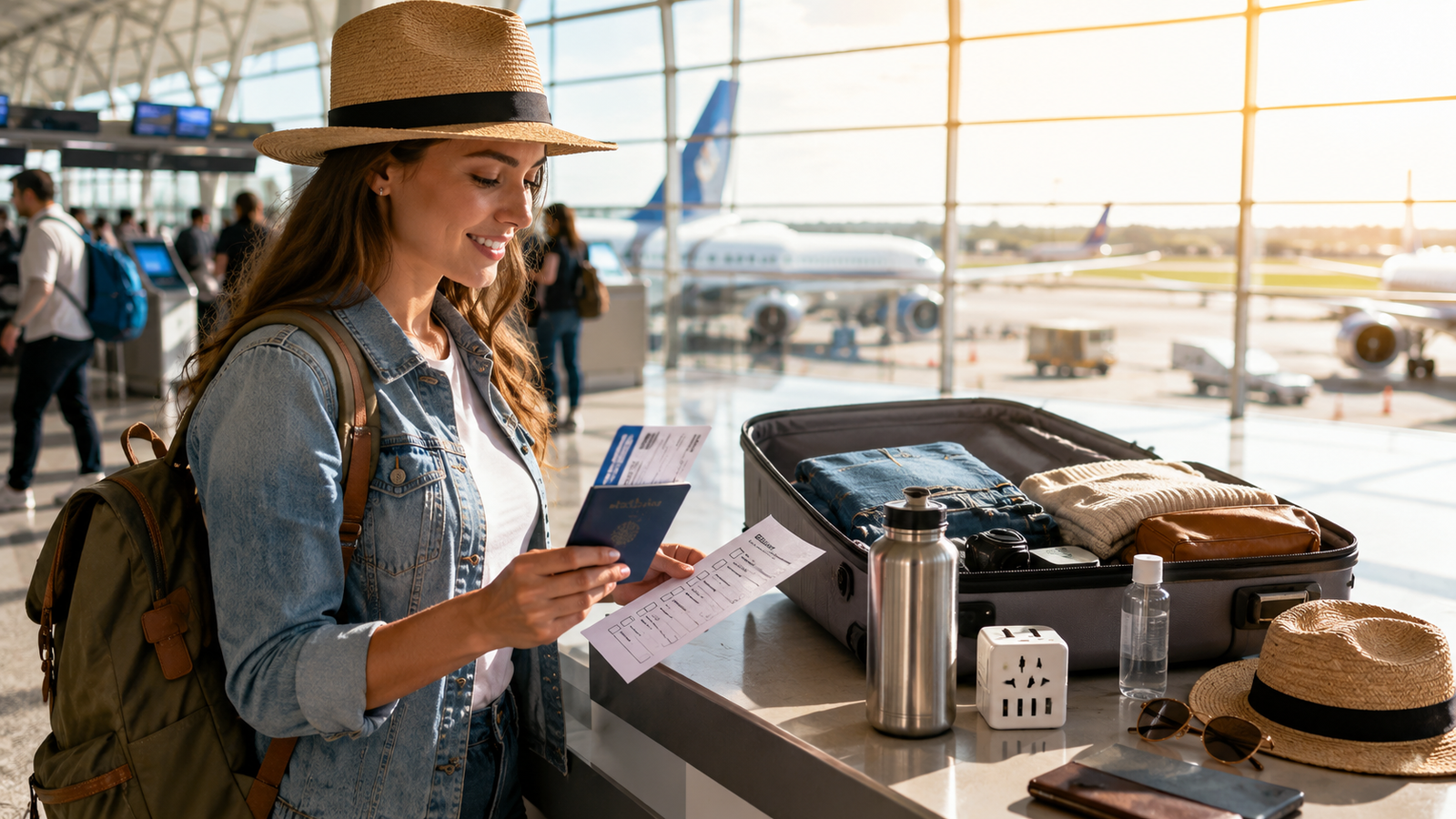
There’s a unique excitement that comes with planning a trip. You imagine breathtaking landscapes, delicious local food, unforgettable experiences, and memories that will last a lifetime. Whether it’s your first international vacation or your tenth adventure, travel has a way of filling us with anticipation long before we pack our bags.
Yet even the most carefully planned trips can take unexpected turns.
A forgotten passport, an overstuffed suitcase, missing a flight because of poor timing, or realizing you’ve exchanged money at an unfavorable rate—these small mistakes can quickly turn excitement into stress.
The good news is that most travel problems aren’t caused by bad luck. They’re often the result of simple oversights that can be avoided with a little preparation.
Experienced travelers rarely have perfect trips because nothing ever goes wrong. Instead, they know how to plan ahead, stay flexible, and avoid the common mistakes that catch many people by surprise.
Whether you’re preparing for your very first vacation abroad or looking to make your future travels smoother, understanding these common travel mistakes can save you time, money, and unnecessary frustration.
After all, the best travel memories come from exploring new places—not solving avoidable problems.
Trying to See Too Much in Too Little Time
One of the biggest mistakes travelers make is believing they need to visit as many places as possible.
It sounds exciting on paper.
Three cities in five days.
Four countries in one week.
A packed itinerary from sunrise until late at night.
In reality, rushing from one attraction to another often leaves travelers feeling exhausted instead of inspired.
Long train rides, airport transfers, hotel check-ins, and unexpected delays consume far more time than many people expect.
Instead of collecting passport stamps, consider spending more time experiencing fewer destinations.
Walking through a neighborhood without checking the time.
Enjoying a relaxed lunch at a local café.
Watching the sunset from a quiet viewpoint.
These slower moments often become the most memorable parts of a journey.
Travel isn’t a competition.
It’s an experience.
Waiting Until the Last Minute to Book Everything
Spontaneous travel can be exciting, but relying entirely on last-minute bookings often leads to higher prices and fewer choices.
Flights may become significantly more expensive.
Popular accommodations may already be full.
Tickets for famous attractions might sell out days or even weeks in advance.
Planning ahead doesn’t mean removing all flexibility from your trip.
It simply creates a stronger foundation.
Booking transportation and accommodation early allows you to spend more time enjoying your destination instead of searching for alternatives after arriving.
Keeping digital copies of confirmations and reservation details also makes your journey much smoother.
Packing More Than You Actually Need
Almost everyone overpacks on their first major trip.
The thought process is understandable.
“What if I need another jacket?”
“What if the weather changes?”
“What if I need five different pairs of shoes?”
The result is often a heavy suitcase that becomes increasingly frustrating as the journey continues.
Carrying oversized luggage through airports, train stations, cobblestone streets, or public transportation quickly becomes exhausting.
Instead of packing for every possible situation, pack for the most likely ones.
Choose clothing that can be mixed and matched.
Wear your bulkiest shoes while traveling.
Leave room in your luggage for souvenirs or unexpected purchases.
Many destinations also have laundry facilities, making it unnecessary to pack an outfit for every single day.
Travel feels surprisingly easier with lighter luggage.
Ignoring Travel Insurance
Some travelers view travel insurance as an unnecessary expense.
Until they need it.
Lost luggage.
Flight cancellations.
Medical emergencies.
Unexpected illnesses.
Natural disasters.
These situations are uncommon, but when they happen, they can become extremely costly.
Travel insurance doesn’t guarantee that problems won’t occur.
It simply provides financial protection and peace of mind if they do.
Reading the policy carefully before purchasing helps you understand what is and isn’t covered.
A small investment before your trip can prevent much larger expenses later.
Forgetting to Check Passport and Visa Requirements
Nothing ends a trip faster than discovering your passport doesn’t meet entry requirements.
Many countries require passports to remain valid for at least six months beyond the travel date.
Some destinations also require visas, electronic travel authorizations, proof of onward travel, or additional documentation.
Requirements vary depending on your nationality and destination.
Checking official government travel information several weeks before departure helps avoid unpleasant surprises at the airport.
It’s also wise to keep digital and printed copies of important documents in separate locations throughout your trip.
Preparation creates confidence.
Depending Entirely on Your Phone
Modern smartphones have transformed travel.
Maps.
Boarding passes.
Translation apps.
Hotel reservations.
Payment methods.
Everything seems to exist inside one device.
Until the battery dies.
Or there’s no internet connection.
Or the phone is lost.
Smart travelers prepare backup options.
Download offline maps before leaving.
Carry a portable power bank.
Write down important addresses.
Keep printed copies of critical travel documents whenever possible.
Technology is incredibly helpful.
It simply shouldn’t become your only plan.
Exchanging All Your Money at the Airport
Airport currency exchange counters are convenient.
Unfortunately, convenience often comes with less favorable exchange rates.
Many travelers unknowingly lose a significant amount of money before even reaching their destination.
Researching exchange options in advance can help you find better rates through banks, trusted exchange services, or travel-friendly payment cards.
Carrying a small amount of local currency for immediate expenses is sensible, but exchanging your entire travel budget at the airport is rarely the most economical choice.
Small financial decisions throughout a trip can add up to meaningful savings.
Not Researching Local Culture
Every destination has its own traditions, customs, and expectations.
Simple gestures that feel normal at home may have different meanings elsewhere.
Learning a few local customs before arriving demonstrates respect and often creates warmer interactions with local residents.
Understanding dress codes for religious sites, tipping practices, public transportation etiquette, and basic greetings helps travelers feel more comfortable while avoiding accidental misunderstandings.
Travel becomes more rewarding when curiosity is matched with cultural awareness.
Forgetting to Leave Space for Unexpected Adventures
Detailed itineraries certainly have value.
However, scheduling every minute leaves little room for discovery.
Sometimes the best travel experiences aren’t listed in guidebooks.
A local festival.
A hidden café.
A scenic walking trail recommended by a resident.
An unforgettable conversation with another traveler.
Allowing free time creates opportunities for these spontaneous moments.
Some of the world’s greatest travel stories begin with unplanned decisions.
Budgeting Only for the Big Expenses
Flights and hotels often receive the most attention during trip planning.
Yet smaller daily expenses quietly add up.
Transportation.
Coffee.
Museum tickets.
Local snacks.
Public restrooms.
Tips.
Souvenirs.
Unexpected taxi rides.
Creating a realistic travel budget that includes these smaller purchases helps reduce financial stress while you’re away.
Having a small emergency fund also provides reassurance if unexpected expenses arise.
Good budgeting isn’t about limiting enjoyment.
It’s about avoiding unpleasant surprises.
Common Travel Mistakes and How to Avoid Them (Part 2)
Forgetting to Stay Flexible When Plans Change
Even the best-planned trips can encounter unexpected changes.
Flights may be delayed because of weather.
A popular attraction could close for maintenance.
Public transportation might be disrupted.
Instead of letting these situations ruin your vacation, try viewing them as part of the travel experience.
Experienced travelers understand that flexibility often leads to unexpected discoveries. A delayed train might give you time to explore a neighborhood you hadn’t planned to visit. A rainy afternoon could lead you to a cozy café serving the best local dessert you’ve ever tasted.
The ability to adapt often matters more than having a perfect itinerary.
Skipping Rest in the Name of Sightseeing
It’s tempting to wake up early every morning and stay out until late at night to “make the most” of your trip.
But constant sightseeing can quickly become exhausting.
Walking 20,000 steps a day, navigating unfamiliar streets, and adjusting to different climates or time zones can take a toll on both your body and mind.
Taking short breaks isn’t wasting time.
It’s helping you enjoy the rest of your journey.
Relax at a local park, enjoy a leisurely lunch, or simply spend an hour people-watching in a public square.
Often, these slower moments become some of the most memorable parts of traveling.
Relying Only on Tourist Attractions
Famous landmarks deserve their popularity, but they rarely tell the complete story of a destination.
Some of the most authentic experiences happen away from crowded tourist areas.
Visit neighborhood markets.
Explore local cafés.
Walk through residential streets.
Attend community events if they’re open to visitors.
Support family-owned restaurants and local businesses.
These experiences often provide a deeper understanding of the destination while helping local communities benefit from tourism.
Travel becomes more meaningful when you experience a place as more than just a visitor.
Ignoring Basic Health and Hydration
Travel often changes daily routines.
People walk more, spend more time outdoors, eat different foods, and sometimes forget simple habits like drinking enough water.
Staying hydrated is especially important during long flights, hot weather, or active sightseeing.
Packing basic medications, sunscreen, and a reusable water bottle can prevent small health issues from interrupting your trip.
Listening to your body is just as important as following your itinerary.
A healthy traveler enjoys more of every destination.
Posting Everything on Social Media Immediately
Sharing travel memories is part of the experience for many people.
However, constantly focusing on taking the perfect photo can sometimes prevent you from fully enjoying the moment.
Instead of viewing every destination through a phone screen, take time to appreciate what you’re seeing.
Watch the sunset without recording every second.
Enjoy a meal before photographing it.
Have conversations without checking notifications.
Your memories often become stronger when you experience them directly rather than through a camera lens.
Many travelers also choose to share photos after returning home instead of broadcasting their location in real time, which can be a safer approach.
Respect the Places You Visit
Responsible travel benefits both visitors and local communities.
Simple actions can make a positive difference.
Dispose of waste properly.
Carry a reusable water bottle whenever possible.
Respect wildlife by observing from a distance.
Stay on marked hiking trails.
Avoid damaging historical monuments or natural environments.
Support local businesses instead of only international chains.
Every traveler leaves an impact.
Choosing responsible habits helps preserve beautiful destinations for future generations.
Learn a Few Words in the Local Language
You don’t need to become fluent before traveling.
But learning a few simple phrases can completely change your experience.
“Hello.”
“Thank you.”
“Please.”
“Excuse me.”
“How much?”
These small efforts often create genuine smiles and positive interactions.
Local residents usually appreciate visitors who make an effort to respect their language and culture.
Communication isn’t only about words.
It’s also about showing respect.
Remember That Every Trip Won’t Go Perfectly
Every experienced traveler has stories about missed buses, unexpected rainstorms, forgotten chargers, confusing train stations, or getting temporarily lost.
Those moments often become the funniest memories later.
Perfection isn’t the goal.
Growth is.
Each journey teaches new lessons about planning, flexibility, confidence, and problem-solving.
The more you travel, the more comfortable you’ll become handling the unexpected.
Mistakes don’t mean the trip failed.
They simply become part of the story you’ll tell afterward.
Final Thoughts
Travel is one of life’s most rewarding experiences, but even unforgettable adventures can be affected by avoidable mistakes.
Fortunately, most travel problems have simple solutions.
Planning ahead, packing thoughtfully, respecting local cultures, staying flexible, and prioritizing your health can dramatically improve your overall experience.
Remember that travel isn’t about following a perfect schedule or checking every attraction off a list.
It’s about discovering new places, meeting different people, experiencing unfamiliar cultures, and creating memories that stay with you long after you’ve returned home.
The best travelers aren’t the ones who never make mistakes.
They’re the ones who learn from each journey and become more confident with every adventure.
With a little preparation and an open mind, your next trip can be smoother, safer, and even more enjoyable than you imagined.
Key Takeaways
- Plan ahead but remain flexible when unexpected changes occur.
- Pack light and carry only what you’ll realistically need.
- Verify passport validity, visa requirements, and travel documents before departure.
- Balance sightseeing with adequate rest and hydration.
- Respect local customs, cultures, and the environment wherever you travel.
Frequently Asked Questions
What is the biggest mistake first-time travelers make?
Many first-time travelers try to fit too many destinations into one trip, leaving little time to fully enjoy each place.
Is travel insurance really necessary?
While it’s not legally required for every destination, travel insurance can provide valuable financial protection against medical emergencies, cancellations, delays, or lost luggage.
How far in advance should I book a trip?
Booking flights and accommodation several weeks or months ahead often provides better prices and greater availability, especially during busy travel seasons.
How can I avoid overpacking?
Choose versatile clothing, pack only essential items, and remember that laundry services are available in many destinations.
Why is learning about local culture important?
Understanding local customs helps travelers show respect, avoid misunderstandings, and enjoy more meaningful interactions with local communities.
Editorial Disclaimer
Disclaimer: This article is published for informational and educational purposes only. Travel regulations, airline policies, visa requirements, entry restrictions, health advisories, and local laws may change over time and vary by destination and nationality. Readers should always verify information with official government agencies, airlines, embassies, and relevant travel authorities before making travel plans. Any destinations, transportation services, accommodations, or businesses mentioned are included solely for editorial purposes and do not constitute endorsements or guarantees of specific experiences.