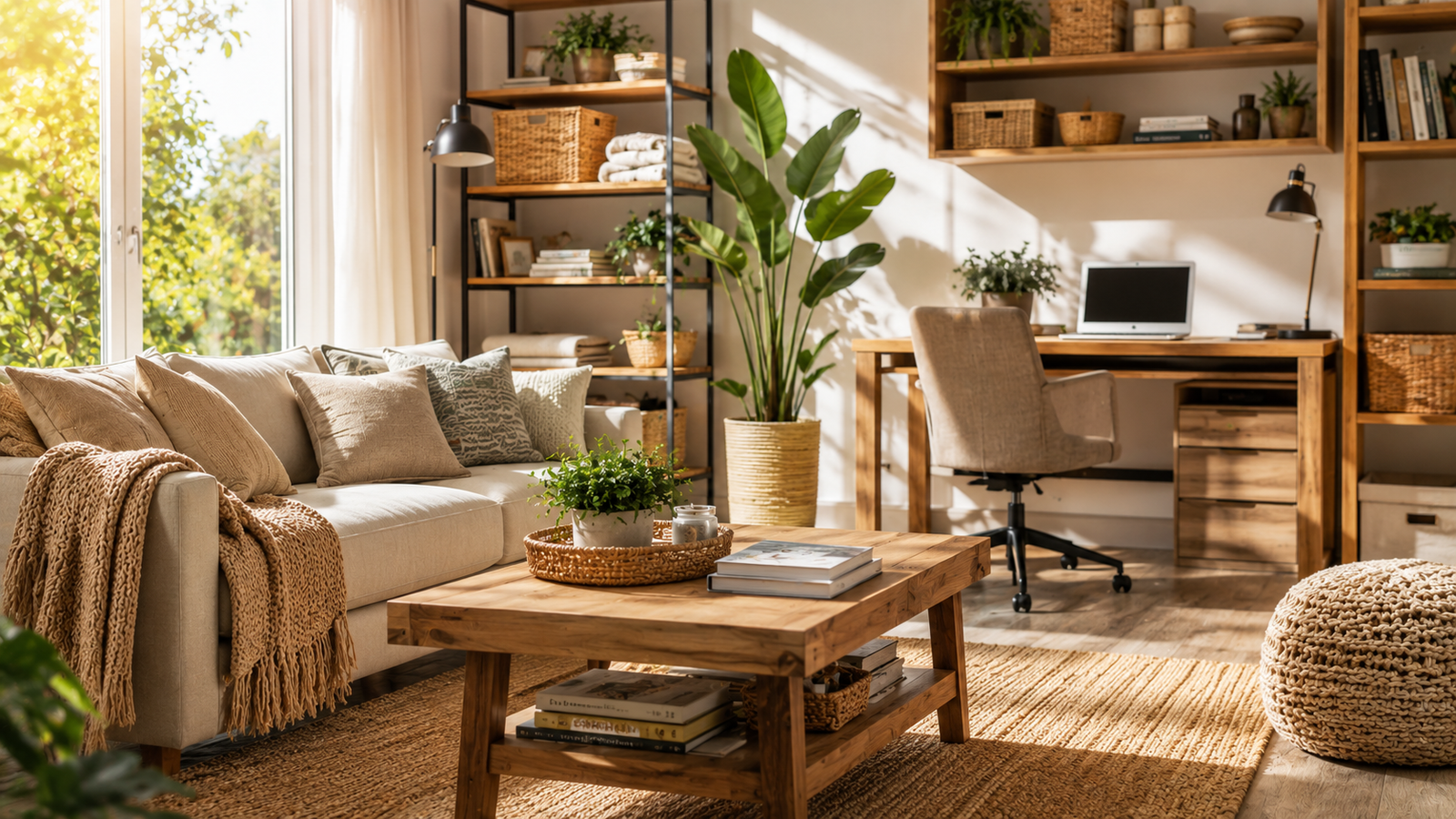
Luxury isn’t always about owning a mansion, buying designer furniture, or spending thousands on a complete renovation.
In fact, some of the most elegant homes aren’t necessarily the most expensive. What makes them memorable is how they feel. They feel calm, welcoming, thoughtfully designed, and comfortable enough that people instantly want to spend more time there.
Many homeowners and renters assume creating that atmosphere requires a large budget. They postpone home improvements until they can afford a major makeover or move into a larger space.
The reality is quite different.
Interior designers often rely on small details rather than dramatic transformations. Better lighting, carefully chosen textures, fresh greenery, pleasant scents, and thoughtful organization can completely change the mood of a room without changing its size.
Luxury is rarely about having more.
It’s about making better use of what you already have.
The good news is that anyone can create a home that feels more refined, peaceful, and inviting with a series of intentional, affordable improvements.
Whether you live in a compact apartment, a family home, or a rented space, these simple ideas can help your home look and feel more luxurious without stretching your budget.
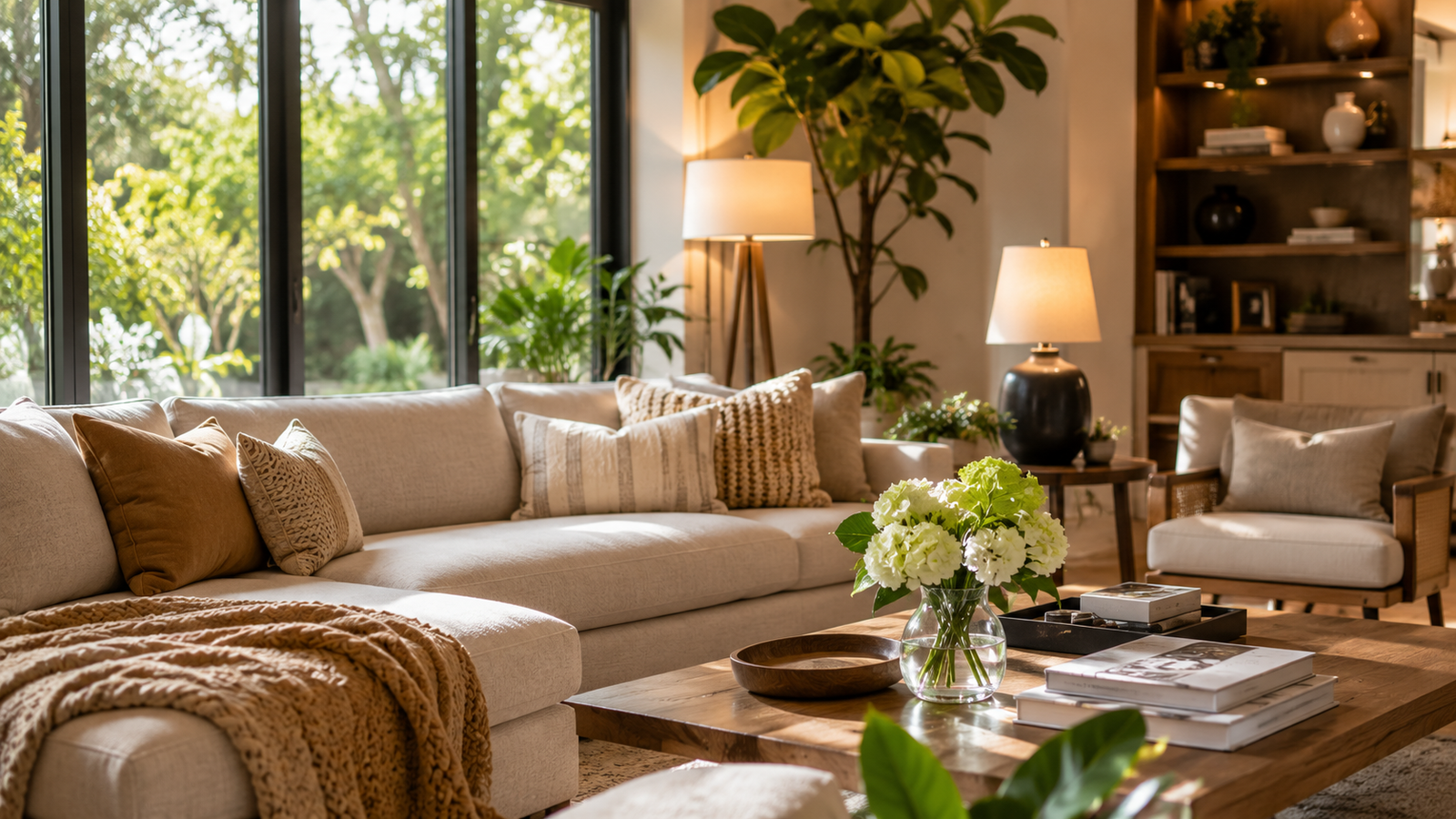
Start With Better Lighting Instead of More Furniture
Lighting has one of the biggest influences on how a home feels.
Unfortunately, it’s also one of the most overlooked elements.
Many homes rely on a single bright ceiling light, creating a flat and sometimes harsh atmosphere.
Luxury interiors often use multiple layers of lighting instead.
A floor lamp beside a reading chair.
A table lamp on a console.
Warm bedside lighting.
Soft accent lights highlighting artwork or indoor plants.
These different light sources create depth and make a room feel warm and welcoming.
Choosing warm white bulbs instead of overly cool lighting can also make spaces feel more relaxing, especially during the evening.
Natural daylight is equally important.
Opening curtains fully during the day instantly makes rooms appear larger, brighter, and more inviting.
Decluttering Is the Fastest Way to Create an Elegant Space
Expensive furniture cannot compensate for unnecessary clutter.
Luxury homes often appear sophisticated because every item has room to breathe.
Coffee tables aren’t overflowing with random objects.
Kitchen counters remain mostly clear.
Bookshelves feel carefully arranged instead of overcrowded.
Creating this feeling doesn’t require throwing everything away.
Instead, display fewer decorative pieces while giving each one more attention.
Store everyday items inside attractive baskets, cabinets, or drawers whenever possible.
Even removing a few unnecessary objects from visible surfaces can dramatically improve how a room feels.
Sometimes what you remove creates a greater impact than what you add.
Add Texture to Make Rooms Feel Richer
One secret used by professional interior designers is layering different textures.
Texture creates visual warmth even when the color palette remains simple.
Imagine a soft woven throw blanket across a neutral sofa.
A linen cushion beside a velvet pillow.
A wooden coffee table paired with a ceramic vase.
A natural fiber rug beneath comfortable seating.
These combinations make a room feel more inviting and sophisticated without appearing overly decorated.
Mixing materials like wood, cotton, glass, metal, wool, and stone creates balance and depth that expensive-looking interiors often share.
Luxury isn’t always colorful.
Sometimes it’s beautifully textured.
Bring Nature Indoors
Fresh greenery instantly transforms almost any room.
Plants soften sharp edges, improve visual balance, and create a sense of life that artificial decorations often cannot match.
You don’t need an indoor jungle.
Even one healthy plant placed thoughtfully near a window can brighten an entire space.
Snake plants, peace lilies, pothos, ZZ plants, and rubber plants remain popular because they’re attractive and relatively easy to maintain.
Fresh flowers can also make everyday spaces feel special.
A simple arrangement placed on a dining table or kitchen island often creates the impression that guests are always welcome.
Nature has a calming effect that no decorative accessory can fully replace.
Upgrade Everyday Textiles
Few things influence comfort more than the fabrics we use every day.
Replacing worn-out towels, faded cushions, or thin bedding with higher-quality alternatives doesn’t necessarily require buying luxury brands.
Look for soft cotton sheets.
Comfortable blankets.
Well-made curtains.
Plush bath towels.
Neutral cushion covers.
These everyday upgrades improve both comfort and appearance.
Even changing seasonal textiles can refresh your home without major expense.
Light cotton fabrics during warmer months.
Cozy knitted blankets during winter.
Small changes like these make your home feel intentionally designed rather than simply furnished.
Choose Quality Over Quantity When Decorating
Many people believe filling empty shelves automatically makes a room look complete.
In reality, too many decorative items often create visual clutter.
Luxury interiors usually follow a different philosophy.
Fewer items.
Higher impact.
Instead of displaying ten small ornaments together, consider choosing one beautiful vase, a framed photograph, or a carefully selected piece of artwork.
Allowing decorative objects space to stand out creates a more refined atmosphere.
Every item should feel intentional rather than accidental.
Make Your Entryway Feel Welcoming
The entrance to your home creates the first impression for both visitors and yourself.
After a busy day, walking into a clean, organized entryway immediately creates a sense of calm.
A stylish mirror.
Fresh flowers.
A woven basket for shoes.
A small tray for keys.
A simple bench.
These practical additions make the space both functional and attractive.
Even compact apartments can create an inviting entrance through thoughtful organization rather than expensive furniture.
Luxury begins with the first few steps inside.
Upgrade Your Scent, Not Just Your Décor
People often remember how a home feels before they remember how it looks.
Scent plays a surprisingly important role.
Fresh linen.
Citrus.
Lavender.
Vanilla.
Sandalwood.
Subtle home fragrances can create a welcoming atmosphere that immediately makes spaces feel more refined.
Natural candles, reed diffusers, or essential oil diffusers provide gentle fragrance without becoming overwhelming.
Opening windows regularly also keeps indoor air feeling fresh while allowing natural ventilation to improve overall comfort.
A pleasant-smelling home quietly communicates cleanliness and care.
Display Personal Items Thoughtfully
Luxury homes don’t feel cold or impersonal.
They simply avoid displaying everything at once.
Family photographs.
Travel souvenirs.
Books.
Artwork.
Meaningful collections.
These personal touches give a home character.
Instead of spreading them throughout every room, create intentional displays that tell a story.
A travel shelf.
A reading corner.
A gallery wall.
A beautifully styled bookshelf.
Thoughtful displays create warmth while avoiding unnecessary visual clutter.
The goal isn’t hiding your personality.
It’s highlighting it.
Small Daily Habits Keep Your Home Feeling Luxurious
Even the most beautifully designed home quickly loses its appeal without regular care.
Fortunately, maintaining a polished space often requires only a few minutes each day.
Making the bed.
Putting dishes away after meals.
Straightening cushions.
Wiping kitchen counters.
Returning items to their proper place.
These small habits prevent clutter from building up and help your home feel consistently calm and welcoming.
Luxury isn’t something created once.
It’s maintained through simple daily routines.
Small Changes That Make Your Home Feel More Luxurious (Part 2)
Choose a Calm Color Palette
Color influences the way a room feels long before anyone notices the furniture.
Luxury interiors often avoid using too many bold colors in the same space. Instead, they rely on calming shades that create a sense of balance and openness.
Soft whites, warm beige, light gray, earthy greens, muted blues, and natural wood tones remain timeless because they’re easy to combine and never feel overwhelming.
This doesn’t mean your home has to be colorless.
Adding subtle accents through cushions, artwork, rugs, or decorative accessories can introduce personality without making the room appear cluttered.
A balanced color palette allows natural light, textures, and carefully chosen décor to become the main focus.
Create a Bedroom That Feels Like a Boutique Hotel
One of the easiest ways to make your home feel luxurious is by upgrading your bedroom experience.
Think about what makes staying in a quality hotel so enjoyable.
Fresh bedding.
Comfortable pillows.
Soft lighting.
A tidy room.
A peaceful atmosphere.
You can recreate many of these details at home without a large investment.
Choose crisp bed linens in neutral colors.
Layer your bed with cushions and a cozy throw blanket.
Place matching bedside lamps on each side of the bed if space allows.
Keep bedside tables uncluttered, displaying only a few essentials such as a lamp, a book, or a small plant.
Even making your bed every morning instantly makes the entire room feel more polished.
Refresh Your Bathroom Without Renovating
Bathrooms often receive less attention than living rooms or kitchens, yet they’re one of the most frequently used spaces in any home.
Fortunately, creating a spa-like atmosphere doesn’t require expensive remodeling.
Replace old towels with soft, matching ones.
Use attractive soap dispensers instead of disposable plastic bottles.
Store toiletries neatly inside baskets or drawers.
Add a small indoor plant if natural light is available.
A scented candle, a simple tray for everyday essentials, or a clean bath mat can make the room feel significantly more refined.
Luxury is often found in thoughtful details rather than expensive fixtures.
Let Natural Light Become Part of the Design
Natural light is one of the most valuable design features any home can have.
Instead of blocking windows with heavy furniture or dark curtains, allow sunlight to flow through your rooms whenever possible.
Sheer curtains can soften bright daylight while still keeping spaces bright and airy.
Mirrors placed opposite windows help reflect light throughout the room, making smaller spaces appear larger and more open.
Clean windows also make a noticeable difference.
Sometimes the simplest improvements have the greatest visual impact.
Invest in a Few Statement Pieces
Not every room needs dozens of decorative accessories.
One carefully chosen statement piece often creates more impact than several smaller decorations.
This could be:
- A large piece of artwork.
- A stylish floor lamp.
- A beautiful mirror.
- An elegant area rug.
- A designer-inspired coffee table.
- A sculptural vase.
These focal points naturally draw attention and give a room a sense of purpose.
The surrounding décor can remain simple, allowing the statement piece to stand out.
Hide Everyday Clutter
Luxury homes often appear calm because everyday necessities aren’t always visible.
Charging cables.
Remote controls.
Cleaning supplies.
Children’s toys.
Pet accessories.
Mail.
These items are part of daily life, but they don’t always need to stay on display.
Decorative baskets, storage ottomans, cabinets, and drawer organizers make it easier to keep essential items accessible without creating visual clutter.
A room instantly feels more peaceful when surfaces remain mostly clear.
Add Small Details That Elevate Everyday Living
Luxury is often experienced through little moments.
A ceramic mug instead of a disposable cup.
Fresh flowers on the dining table.
A neatly folded blanket on the sofa.
A favorite scented candle during the evening.
A tray that keeps coffee essentials organized.
These details don’t cost much, yet they encourage you to slow down and enjoy your surroundings.
A beautiful home isn’t only about impressing guests.
It’s about creating a place where you genuinely enjoy spending time.
Avoid Common Decorating Mistakes
Many people unintentionally make rooms feel smaller or busier than necessary.
One common mistake is pushing all furniture against the walls. In some spaces, pulling seating slightly inward creates a more comfortable conversation area.
Another mistake is buying décor simply because it’s fashionable.
Trends change quickly, but your home should reflect your own lifestyle and personality.
Ignoring scale is another issue.
Very small artwork on a large wall or oversized furniture in a compact room can make spaces feel unbalanced.
Choosing pieces that suit the size of the room creates a more harmonious look.
Finally, don’t overlook maintenance.
Even the most beautiful room loses its appeal if it’s dusty, cluttered, or poorly cared for.
Cleanliness remains one of the simplest ways to make any home feel luxurious.
Luxury Is About Comfort, Not Perfection
Social media often presents homes that look flawless every minute of the day.
Real homes are different.
People cook meals.
Children play.
Pets explore.
Friends visit.
Life happens.
The goal isn’t to create a house where nothing can be touched.
The goal is to create a home that feels peaceful, functional, and welcoming while supporting your everyday routine.
Luxury isn’t measured by price tags.
It’s measured by how your home makes you feel when you walk through the front door.
Comfort, warmth, and thoughtful design will always outlast temporary decorating trends.
Final Thoughts
Creating a luxurious home doesn’t require a complete renovation or a designer-sized budget.
It begins with paying attention to the details that shape everyday living.
Better lighting, soft textures, fresh greenery, calming colors, organized spaces, pleasant scents, and consistent daily habits all work together to transform ordinary rooms into places that feel elegant and inviting.
The most beautiful homes aren’t necessarily the largest or the most expensive.
They’re the ones that reflect the people who live in them while offering comfort, warmth, and peace.
Start with one room.
One improvement.
One thoughtful change.
Over time, those small upgrades create a home that feels far more luxurious than its price tag might suggest.
Key Takeaways
- Layered lighting creates a warmer and more sophisticated atmosphere.
- Decluttering is one of the fastest ways to make a home feel elegant.
- Natural textures and greenery add warmth and visual interest.
- Small upgrades in bedrooms and bathrooms can dramatically improve comfort.
- Consistent daily habits help maintain a clean, inviting home.
Frequently Asked Questions
Can I make my home look luxurious on a small budget?
Yes. Simple improvements such as better lighting, decluttering, fresh textiles, indoor plants, and thoughtful décor placement can make a noticeable difference without major expenses.
What colors make a home feel more luxurious?
Neutral shades such as warm white, beige, soft gray, earthy green, and muted blue create a timeless and elegant atmosphere.
Do indoor plants really improve home interiors?
Yes. Plants add color, texture, and freshness while helping rooms feel more welcoming and connected to nature.
What’s the easiest room to upgrade first?
Many people start with the living room or bedroom because small improvements in these spaces often have the biggest impact on everyday comfort.
Is luxury interior design about buying expensive furniture?
Not necessarily. Luxury is more about thoughtful design, quality over quantity, organization, comfort, and attention to detail than high price tags.
Editorial Disclaimer
Disclaimer: This article is intended for informational and educational purposes only. The home styling ideas and design suggestions shared are general recommendations and may not suit every home, budget, or personal preference. Readers should consider their available space, safety requirements, and individual needs before making changes. Any products, brands, or décor concepts mentioned are included solely for editorial purposes and do not constitute endorsements or guarantees of specific outcomes.