Weekend Habits of Highly Productive People: Simple Routines That Set Up a Successful Week

Weekend Routine

For many people, the weekend feels like a reward after five busy days. It’s a chance to sleep in, catch up on errands, binge-watch favorite shows, or simply do nothing at all. While there’s nothing wrong with taking time to relax, have you ever noticed that some people seem to start every Monday feeling refreshed, organized, and ready to tackle the week ahead?

It isn’t because they have more hours in the day or possess extraordinary motivation. More often than not, it’s because they’ve learned how to use their weekends intentionally. They understand that productivity doesn’t mean filling every minute with work—it means creating habits that help them recharge, stay organized, and prepare for what’s next.

Interestingly, research into productivity and well-being suggests that rest is just as important as hard work. The most successful people don’t spend their weekends answering emails from sunrise to sunset. Instead, they balance relaxation with activities that support their physical health, mental clarity, personal growth, and relationships.

The beauty of these habits is that they’re not reserved for CEOs, entrepreneurs, or high achievers. Anyone can adopt them, regardless of their profession or lifestyle. Small weekend routines often create a ripple effect, making weekdays feel less stressful and more manageable.

Let’s take a closer look at the habits that highly productive people often practice—and how you can adapt them to fit your own life.


They Begin the Weekend Without Rushing

After an exhausting workweek, it’s tempting to oversleep for several hours on Saturday morning. While catching up on rest can feel satisfying, dramatically changing your sleep schedule often leaves you feeling sluggish instead of energized.

Highly productive people generally aim for consistency rather than extremes. They allow themselves a little extra rest but avoid completely disrupting their body’s natural rhythm.

Many start the morning slowly. Instead of immediately checking work messages or scrolling endlessly through social media, they enjoy a peaceful breakfast, step outside for fresh air, or spend a few quiet moments reflecting on the week.

This gentle beginning creates a sense of calm that often carries through the rest of the day.


They Make Time for Movement They Actually Enjoy

Weekends offer an opportunity to move without the pressure of squeezing exercise between meetings or deadlines.

What’s interesting is that productive people don’t always choose intense workouts. Many prefer activities they genuinely enjoy—walking through a nearby park, cycling, hiking, practicing yoga, swimming, or simply playing with their children outdoors.

The goal isn’t to burn the maximum number of calories.

It’s to refresh both the body and mind.

Regular movement supports energy levels, improves mood, and reduces stress, making it easier to approach the upcoming week with a positive mindset.

Perhaps that’s why so many successful people describe exercise as something they look forward to rather than something they have to do.


They Create Space Away From Digital Noise

Modern life rarely stops buzzing.

Notifications appear every few minutes. News updates compete for attention. Social media offers an endless stream of content designed to keep us scrolling.

Highly productive people understand that constant digital stimulation can quietly drain mental energy.

Instead of spending the entire weekend glued to screens, many intentionally create periods of digital distance.

Some silence unnecessary notifications.

Others leave their phones in another room while reading, cooking, gardening, or spending time with loved ones.

These small breaks allow the brain to recover from information overload and create space for deeper thinking.

Ironically, disconnecting for a while often helps people become more focused when they reconnect.


They Review the Past Week Without Judging Themselves

One habit that often separates productive individuals from constantly busy ones is reflection.

Rather than rushing into another week without pausing, they take a few minutes to ask simple questions.

What went well?

What created unnecessary stress?

Which habits helped them feel energized?

What could they improve next week?

Notice that these questions aren’t about criticizing mistakes.

They’re about learning.

Viewing each week as feedback rather than failure encourages continuous improvement without creating unnecessary pressure.

A notebook, journal, or digital planner is often enough to capture these thoughts.

Over time, these small reflections reveal patterns that are easy to overlook during hectic weekdays.


They Plan Their Week Without Scheduling Every Minute

Planning doesn’t mean turning Sunday into another workday.

Highly productive people usually spend a short period organizing the week ahead, but they avoid trying to control every single hour.

They review appointments, identify important deadlines, and think about their highest priorities.

This simple habit reduces the mental burden of remembering everything at once.

Instead of waking up Monday wondering where to begin, they already have a clear direction.

Interestingly, flexible planning tends to work better than rigid scheduling.

Life is unpredictable.

Leaving room for unexpected events makes plans easier to follow and less stressful to maintain.


They Invest Time in Learning Something New

One of the most valuable weekend habits isn’t directly related to work at all.

Curiosity.

Highly productive people often dedicate part of their weekend to learning—not because they have to, but because they enjoy growing.

That learning might involve reading a book, listening to a podcast, watching an educational documentary, experimenting with a new recipe, practicing a language, or developing a creative hobby.

These activities stimulate the brain while providing a refreshing change from everyday responsibilities.

Growth doesn’t always happen inside classrooms or formal training programs.

Sometimes it begins with simply asking questions and exploring new ideas.


They Spend Quality Time With People Who Matter

Success means little if it comes at the expense of meaningful relationships.

Many productive people intentionally protect time for family members, close friends, or loved ones during the weekend.

What matters isn’t the complexity of the activity.

A shared meal, an evening walk, a conversation over coffee, or a board game at home often creates stronger memories than expensive outings.

Meaningful social connections contribute to emotional well-being, reduce stress, and provide support during challenging times.

Strong relationships are not distractions from productivity.

They’re one of the reasons long-term productivity becomes sustainable.


They Give Themselves Permission to Rest

Perhaps the most overlooked productivity habit is genuine rest.

Today’s culture often celebrates constant hustle, making people feel guilty for slowing down.

Highly productive individuals understand something different.

Rest isn’t wasted time.

It’s maintenance.

Just as athletes schedule recovery between training sessions, mental recovery is equally important for people who spend their days solving problems, making decisions, or managing responsibilities.

Reading purely for enjoyment, taking an afternoon nap, sitting in nature, or simply enjoying a quiet cup of tea without multitasking can restore mental energy in ways that endless scrolling rarely does.

The goal isn’t to fill every free moment.

It’s to create enough space for the mind to recover before a new week begins.


Small Habits Create Big Results

One of the reasons weekend routines work so well is that they don’t require dramatic life changes.

No expensive courses.

No complicated productivity systems.

No waking up at 4 a.m.

Instead, they rely on small, repeatable habits practiced consistently over time.

A thirty-minute walk.

Ten minutes of planning.

An hour spent reading.

Dinner with family.

A quiet Sunday evening preparing for Monday.

Individually, these actions may seem ordinary.

Together, they shape a lifestyle that feels calmer, healthier, and far more intentional.

Weekend Habits of Highly Productive People (Part 2)


They Leave Room for Spontaneity

Having a productive weekend doesn’t mean following a strict schedule from morning until night. In fact, many highly productive people intentionally leave open spaces in their calendars.

Life often brings unexpected opportunities—a friend inviting you for coffee, discovering a local event, or simply feeling inspired to explore a new place. Allowing room for these moments keeps weekends enjoyable rather than turning them into another checklist.

Balance is the key. A well-planned weekend should feel supportive, not restrictive.


They Prepare Their Environment for Success

One habit that often goes unnoticed happens before Monday even begins.

Highly productive people spend a little time organizing their surroundings. They tidy their workspace, prepare clothes for the week, organize important documents, or make a simple grocery list.

These small actions reduce “decision fatigue.” Instead of starting Monday surrounded by clutter and unfinished tasks, they begin in an environment that supports focus.

A clean desk or organized kitchen won’t solve every problem, but it removes unnecessary distractions that quietly consume mental energy.


They Focus on Progress, Not Perfection

One of the biggest myths about productive people is that they always have perfect routines.

The reality is quite different.

They miss workouts.

They oversleep sometimes.

Plans change unexpectedly.

What separates them is their ability to continue without giving up.

Instead of thinking, “I ruined my weekend routine,” they simply adjust and move forward.

This mindset makes healthy habits sustainable.

Perfection creates pressure.

Progress creates momentum.


They Say “No” to What Doesn’t Add Value

Weekends often disappear because of commitments we didn’t really want to make.

Highly productive people understand that every “yes” also means saying “no” to something else.

They don’t fill every hour with obligations simply because they feel guilty.

Instead, they become more intentional about how they spend their limited free time.

This doesn’t mean avoiding social events or helping others.

It means recognizing which activities genuinely bring joy, connection, or personal growth—and which simply leave them feeling exhausted.

Protecting your time is one of the most valuable productivity skills you can develop.


They End the Weekend Calmly Instead of Stressing About Monday

Many people experience what is often called the “Sunday evening slump.” Thoughts about meetings, deadlines, emails, or unfinished work begin to create anxiety long before Monday actually arrives.

Highly productive people often approach Sunday evenings differently.

Rather than worrying about everything waiting for them, they focus on creating a calm transition into the new week.

Some prepare a healthy dinner.

Others spend time reading, taking a short walk, or writing down three important priorities for Monday morning.

This simple practice replaces uncertainty with clarity.

Instead of feeling overwhelmed, they wake up knowing exactly where to begin.


Creating Your Own Weekend Routine

One of the biggest mistakes people make is trying to copy someone else’s routine exactly.

What works for a business owner may not work for a college student.

What suits parents with young children may be unrealistic for someone working weekend shifts.

The best weekend routine is one that fits your own lifestyle.

Start small.

Choose two or three habits that feel realistic.

Perhaps you’ll begin with a Saturday morning walk, spend fifteen minutes planning the week on Sunday, and set aside one hour for reading.

Once these habits become natural, you can gradually build upon them.

Consistency always beats complexity.


Productivity Should Support Life—Not Replace It

True productivity isn’t about working more hours.

It’s about living with greater intention.

A productive weekend should leave you feeling rested, energized, and excited for the week ahead—not exhausted from trying to optimize every minute.

The healthiest routines include work, rest, movement, relationships, learning, and moments of simple enjoyment.

When these elements exist together, productivity becomes sustainable rather than stressful.


Final Thoughts

Highly productive people aren’t necessarily more disciplined or naturally motivated than everyone else. They simply understand that weekends aren’t just an escape from work—they’re an opportunity to recharge, reflect, and prepare for what comes next.

The habits they practice are surprisingly simple: maintaining a healthy sleep schedule, staying physically active, reducing digital distractions, spending time with loved ones, learning something new, planning the week ahead, and making time for genuine rest.

None of these habits require expensive tools or dramatic lifestyle changes.

What makes them powerful is consistency.

Small choices repeated weekend after weekend gradually shape healthier routines, clearer thinking, stronger relationships, and a more balanced life.

The goal isn’t to have a “perfect” weekend.

It’s to create one that leaves you happier, healthier, and better prepared for Monday.

Sometimes the most productive thing you can do is slow down just enough to move forward with purpose.


Key Takeaways

  • Productive weekends balance rest, planning, and personal growth.
  • Consistent sleep and regular physical activity help improve energy and focus.
  • Spending time away from screens allows your mind to recharge.
  • Preparing for the week ahead reduces Monday stress.
  • Small, realistic habits are easier to maintain than complicated routines.

Frequently Asked Questions

What do highly productive people usually do on weekends?

They often balance relaxation with activities such as exercise, planning the upcoming week, spending time with loved ones, learning new skills, and taking time to recharge mentally.

Should weekends be completely work-free?

That depends on your responsibilities, but most productivity experts recommend keeping work to a minimum whenever possible so you have time to recover and maintain a healthy work-life balance.

Is planning on Sunday a good idea?

Yes. Spending 15–30 minutes reviewing your calendar and priorities can reduce stress and help you start Monday with greater clarity.

How can I become more productive without feeling overwhelmed?

Start with one or two simple habits instead of changing everything at once. Consistency matters much more than perfection.

Why is rest important for productivity?

Rest helps your brain recover from mental fatigue, improves focus, supports creativity, and allows you to perform better throughout the following week.


Editorial Disclaimer

Disclaimer: This article is published for informational and educational purposes only. The routines and productivity habits discussed are based on general lifestyle principles and should not be considered professional medical, psychological, or career advice. Individual needs, schedules, and circumstances vary. Readers are encouraged to adapt these suggestions to their personal goals and consult qualified professionals when appropriate. Any products, services, or routines mentioned are included solely for editorial purposes and do not constitute endorsements or guarantees of specific results.


Daily Walking Benefits Backed by Science: Why One Simple Habit Could Be the Best Thing You Do for Your Health

Daily Walking Walking Benefits Healthy Lifestyle

There is something surprisingly powerful about putting one foot in front of the other. Walking is so familiar that most of us hardly think about it. We walk to the grocery store, through the office hallway, around the neighborhood, or across a parking lot without giving it much attention. Yet behind this everyday activity lies one of the simplest and most effective ways to improve overall health.

In a world filled with expensive fitness programs, complicated workout routines, and trending wellness challenges, walking often gets overlooked. It doesn’t promise dramatic transformations overnight or require special equipment. It simply asks you to move. But science continues to reveal that this humble habit can have a remarkable impact on both the body and mind.

Health experts have spent decades studying the effects of regular walking, and the findings are encouraging. From supporting heart health and maintaining a healthy weight to boosting mood and sharpening the mind, the benefits extend far beyond burning calories. Even better, walking is accessible to people of almost every age and fitness level.

Whether you’re trying to become more active, reduce stress, or simply feel healthier without joining a gym, daily walking may be one of the easiest habits to start—and one of the hardest to underestimate.

Let’s explore why researchers continue to recommend this timeless form of exercise and how small daily walks can lead to meaningful long-term improvements.


Why Walking Remains One of the Most Recommended Forms of Exercise

Exercise trends come and go. One year it’s high-intensity interval training, the next it’s functional fitness or boutique workout classes. While many of these approaches have their place, walking has remained consistently recommended by doctors, physiotherapists, and public health organizations for one simple reason: it works.

Walking is considered a low-impact aerobic activity, meaning it raises your heart rate without placing excessive stress on your joints. This makes it suitable for beginners, older adults, and even many people recovering from illness or injury under professional guidance.

Unlike intense exercise that often requires recovery days, walking can usually become part of everyday life. A brisk walk before work, during lunch, or after dinner fits naturally into most schedules, making it easier to maintain over months and years.

And when it comes to health, consistency almost always matters more than intensity.


Your Heart Loves Every Step You Take

One of the strongest scientific findings surrounding walking involves cardiovascular health.

Every step encourages your heart to pump blood more efficiently throughout the body. Regular walking supports healthy circulation, helps maintain blood vessel function, and contributes to overall heart fitness. Over time, these effects may help lower the risk of cardiovascular disease when combined with other healthy lifestyle habits.

Walking also supports healthy blood pressure in many individuals. While it isn’t a replacement for medical treatment, regular physical activity is widely recognized as one of the cornerstones of heart health.

What makes walking particularly appealing is that you don’t need to complete marathon distances. Even moderate daily movement accumulated throughout the day contributes to better cardiovascular fitness.

Think of each walk as a small investment in your future health. The benefits accumulate quietly, often without you noticing, until months later when climbing stairs feels easier or daily activities require less effort.


Walking Supports Mental Well-Being as Much as Physical Health

Many people begin walking to improve their fitness but continue because of how it makes them feel emotionally.

Have you ever noticed that a short walk often helps clear your mind after a stressful meeting or difficult conversation? That’s not just your imagination.

Physical movement encourages the release of chemicals such as endorphins while also helping regulate stress hormones. At the same time, stepping away from screens and changing your environment gives the brain an opportunity to reset.

Walking outdoors may provide additional benefits. Green spaces, fresh air, natural light, and exposure to nature have all been associated with improved mood and reduced feelings of stress in many studies.

This doesn’t mean every walk instantly eliminates anxiety or sadness. Life is more complicated than that. But making walking part of your routine creates regular opportunities for both your body and mind to recharge.


Walking Can Help You Think More Clearly

Creativity doesn’t always appear while sitting at a desk.

Many writers, entrepreneurs, scientists, and artists have spoken about their habit of taking walks whenever they need fresh ideas. Modern research offers an interesting explanation for why.

Walking increases blood circulation throughout the body, including the brain. Improved circulation helps deliver oxygen and nutrients that support normal brain function. Some studies have even suggested that light physical activity may encourage more flexible thinking and creative problem-solving.

This is one reason why people often discover solutions to problems while taking a walk rather than while staring at a computer screen.

If you’re studying for exams, preparing an important presentation, or working through a complex project, stepping outside for twenty or thirty minutes may do more for your productivity than forcing yourself to remain seated.


A Powerful Habit for Maintaining a Healthy Weight

Weight management is often presented as a complicated equation filled with restrictive diets and exhausting workouts. In reality, sustainable lifestyle habits usually produce the best long-term results.

Walking burns calories while strengthening muscles and encouraging regular movement throughout the day. Combined with balanced nutrition, it contributes to maintaining a healthy weight without placing excessive stress on the body.

More importantly, walking helps reduce the amount of time spent sitting.

Modern lifestyles involve hours of desk work, television, smartphones, and long commutes. Extended sitting has become so common that many people remain inactive for most of the day even if they exercise occasionally.

Adding regular walks breaks up these long periods of inactivity, creating a healthier daily rhythm.

Instead of viewing walking only as exercise, think of it as replacing sedentary time with purposeful movement.


Stronger Bones and Healthier Joints

There’s a common misconception that protecting joints means avoiding movement. In fact, appropriate movement is often exactly what healthy joints need.

Walking is considered a weight-bearing activity, which encourages bones to remain strong over time. Regular movement also helps maintain flexibility while supporting the muscles that stabilize knees, hips, and ankles.

For many people, walking is far gentler on the joints than running or high-impact sports.

Comfortable shoes, good posture, and gradually increasing distance allow most beginners to develop a sustainable walking routine without overwhelming their bodies.

As always, individuals with existing joint conditions or medical concerns should seek personalized advice from their healthcare provider before beginning a new exercise program.


Better Sleep Often Begins During the Day

People usually associate better sleep with evening routines, but what happens during daylight hours matters just as much.

Regular walking helps regulate the body’s natural daily rhythm. Exposure to daylight during outdoor walks also supports healthy sleep-wake cycles by reinforcing the body’s internal clock.

Many people who become consistently active report falling asleep more easily and waking up feeling more refreshed.

The relationship works both ways. Better sleep improves energy for walking, while regular walking supports healthier sleep.

This creates a positive cycle that benefits overall well-being.


Walking Strengthens More Than Muscles

It’s easy to focus on physical changes such as improved endurance or stronger legs, but walking also develops something less visible: confidence.

Completing a walk each day builds trust in yourself.

You begin to realize that healthy habits don’t have to be dramatic to be meaningful. One day becomes one week. One week becomes one month. Before long, what once required motivation simply becomes part of your identity.

Many people discover that establishing a walking habit encourages other healthy behaviors naturally. They begin drinking more water, making better food choices, spending less time on screens, or becoming more mindful of their overall health.

Small victories often lead to bigger transformations.


How Much Walking Is Enough?

One of the biggest myths surrounding fitness is the belief that exercise only counts if it lasts an hour or leaves you completely exhausted.

Science suggests otherwise.

Even short walks throughout the day contribute to your overall activity level. Ten minutes after breakfast, fifteen minutes during lunch, and another twenty minutes in the evening can add up quickly.

Some days you may have time for a long walk through a park. Other days, walking while taking phone calls or choosing stairs instead of elevators may be enough.

The most effective walking routine isn’t necessarily the longest one.

It’s the one you can continue doing week after week.

Part 2: Daily Walking Benefits Backed by Science


Science Shows That Consistency Matters More Than Speed

One of the biggest misconceptions about walking is that it only counts if you’re walking fast or covering long distances. In reality, researchers continue to emphasize that regular movement is often more important than intensity, especially for people who are just beginning a healthier lifestyle.

A brisk walk certainly offers additional cardiovascular benefits, but even a comfortable pace is far better than remaining inactive. Every step contributes to improving circulation, activating muscles, and encouraging the body to use energy more efficiently.

Think of walking like saving money. One large deposit is helpful, but making small deposits consistently over time often creates greater long-term results. Your body responds in much the same way. A daily 20- to 30-minute walk maintained for years is likely to provide more lasting health benefits than occasional bursts of intense exercise followed by weeks of inactivity.


Walking Can Improve Your Mood in Unexpected Ways

Almost everyone has experienced a day when everything feels overwhelming. Deadlines pile up, notifications never stop, and the mind refuses to slow down. Interestingly, one of the simplest ways to interrupt this cycle is by taking a walk.

Walking creates a natural mental break. As your attention shifts from screens and responsibilities to your surroundings, your brain gets a chance to reset. Many people find that problems feel more manageable after even a short walk outside.

Natural environments may offer additional benefits. Parks, tree-lined streets, lakesides, or quiet neighborhoods provide visual variety and fresh air, creating a calming experience that indoor environments often cannot replicate.

Even if you live in a busy city, choosing a quieter route or walking during less crowded hours can help create a more relaxing experience.


The Hidden Benefits of Walking After Meals

A growing number of health experts now encourage people to take a short walk after eating, especially after larger meals.

Walking after meals supports healthy digestion by encouraging gentle movement throughout the digestive system. It may also help the body regulate blood sugar more efficiently compared to remaining seated immediately after eating.

The walk doesn’t need to be long. Even ten to fifteen minutes of light movement can become a pleasant daily habit while providing additional opportunities to increase your overall activity level.

Instead of scrolling through your phone after lunch or dinner, consider stepping outside for a few minutes. It can become one of the easiest healthy habits you’ll ever build.


Walking Is One of the Most Accessible Forms of Exercise

One reason walking continues to be recommended around the world is because almost anyone can do it.

There are no expensive memberships, complicated machines, or specialized training required. Comfortable shoes and a safe place to walk are often enough to get started.

This accessibility removes one of the biggest barriers to exercise: cost.

Whether you live in a city, suburb, or rural area, opportunities to walk usually exist somewhere nearby. Parks, sidewalks, shopping centers, walking tracks, or even indoor spaces during poor weather all provide options.

Fitness doesn’t always have to happen inside a gym.


Common Mistakes That Reduce the Benefits of Walking

Although walking is simple, a few common mistakes can make it less enjoyable or effective.

Many people wear shoes that lack proper support, leading to discomfort in the feet, knees, or lower back. Investing in comfortable walking shoes often makes a significant difference.

Another mistake is trying to do too much too soon. Walking five kilometers on the first day after months of inactivity may lead to soreness that discourages future walks. Gradually increasing distance and pace allows the body to adapt naturally.

Some walkers also forget to stay hydrated, especially during warm weather. Carrying water or drinking before and after your walk helps maintain comfort and performance.

Finally, constantly looking down at your phone affects posture and reduces awareness of your surroundings. Walking mindfully—with your head up and shoulders relaxed—creates a safer and more enjoyable experience.


Simple Ways to Make Walking a Daily Habit

The hardest part of any healthy habit isn’t starting—it’s continuing.

Instead of relying on motivation every morning, successful walkers often build routines around existing parts of their day.

A morning walk before breakfast, an afternoon walk during a lunch break, or an evening stroll after dinner can quickly become automatic.

Walking with a friend, family member, or even a pet adds accountability while making the experience more enjoyable. Listening to music, podcasts, or audiobooks also helps many people look forward to their daily walks.

Technology can provide encouragement too. Fitness trackers and smartphone apps allow you to monitor progress without becoming obsessed with numbers. Watching your weekly activity gradually increase can be surprisingly motivating.

Remember, the goal isn’t perfection. Missing one day doesn’t erase weeks of progress. Simply return to your routine the following day.


Walking Is an Investment in Your Future Self

Healthy habits rarely produce dramatic overnight changes. Instead, they quietly improve your quality of life over months and years.

Every walk strengthens your heart a little more. Every walk supports your muscles, joints, lungs, and brain. Every walk reduces the time spent sitting and encourages a more active lifestyle.

Perhaps the greatest benefit is that walking reminds us that good health doesn’t always require complicated solutions.

Sometimes the most effective habits are also the simplest.


Final Thoughts

Modern life often encourages us to search for quick fixes, but lasting health is usually built through consistent daily choices.

Walking is one of those rare habits that almost everyone can begin, regardless of age or fitness level. It supports heart health, improves circulation, strengthens muscles and bones, helps maintain a healthy weight, encourages better sleep, reduces stress, and even promotes clearer thinking.

Perhaps its greatest strength is sustainability.

Unlike extreme workout programs that become difficult to maintain, walking easily fits into everyday life. A short walk before work, during lunch, or after dinner may not seem life-changing today, but repeated hundreds of times over the coming years, those steps can make a remarkable difference.

The next time you’re wondering how to become healthier, don’t underestimate the power of simply stepping outside and walking.

Sometimes the journey toward better health truly begins with a single step.


Key Takeaways

  • Daily walking is one of the simplest science-backed ways to improve overall health.
  • Regular walks support heart health, mental well-being, sleep quality, and healthy weight management.
  • Consistency matters more than speed or distance.
  • Walking after meals may support digestion and healthy blood sugar regulation.
  • Building a walking routine around your daily schedule makes it easier to maintain for years.

Frequently Asked Questions

Is walking every day better than intense exercise once a week?

For most people, regular daily movement provides greater long-term health benefits than occasional intense workouts. Consistency plays a key role in maintaining overall fitness.

How long should I walk each day?

Even 20 to 30 minutes of walking most days of the week can contribute significantly to overall health. Shorter walks throughout the day also count.

Is walking enough to lose weight?

Walking can support weight management when combined with balanced nutrition and healthy lifestyle habits. Results vary depending on individual factors.

Should I walk in the morning or evening?

Both are beneficial. The best time is the one that fits your routine consistently.

Can beginners start walking every day?

Most healthy adults can begin with shorter walks and gradually increase duration and pace. If you have medical concerns, consult a healthcare professional before starting a new exercise routine.

Editorial Disclaimer

Disclaimer: This article is intended for informational and educational purposes only. It should not be considered medical advice or a substitute for professional healthcare guidance. While every effort has been made to ensure the information is accurate and current, individual health needs vary. Always consult a qualified healthcare professional before beginning a new exercise routine, particularly if you have existing medical conditions, injuries, or other health concerns. Any recommendations provided are general in nature and should not replace personalized medical advice.

Foods That Help Improve Focus Naturally

Brain-healthy foods including blueberries, salmon, avocado, spinach, walnuts, eggs, oats, and green tea arranged on a kitchen table.

Have you ever sat down to finish an important task only to find yourself staring at the screen, reading the same sentence over and over again? You slept well, had your morning coffee, and even made a to-do list, yet your mind simply refuses to cooperate. In today’s fast-moving world, this has become an increasingly common experience.

Many people assume that poor focus is only caused by stress, lack of sleep, or spending too much time on digital devices. While those factors certainly play a role, there’s another powerful influence that’s often overlooked—what you eat. The brain may account for only about two percent of your body weight, but it consumes roughly twenty percent of your daily energy. Every thought, decision, memory, and creative idea depends on a steady supply of nutrients working behind the scenes.

The good news is that improving concentration doesn’t require expensive supplements or extreme diets. In many cases, everyday foods already sitting in your kitchen can help support brain function, improve mental clarity, and provide steady energy throughout the day. Scientists continue to explore the fascinating connection between nutrition and cognitive performance, and while no single food is a miracle solution, a balanced diet filled with nutrient-rich ingredients can make a noticeable difference over time.

Let’s explore the foods that naturally support better focus and why they deserve a regular place on your plate.


Why Your Brain Needs the Right Fuel

Think of your brain as a high-performance engine. Even the most advanced machine cannot perform well without quality fuel, and your brain works the same way. Every second, billions of nerve cells communicate through tiny electrical and chemical signals. These signals depend on vitamins, minerals, healthy fats, amino acids, and antioxidants.

When your meals rely heavily on refined sugar, processed snacks, or highly sugary drinks, your blood sugar tends to spike quickly before crashing just as fast. That sudden drop often leaves you feeling sleepy, irritable, and unable to concentrate.

On the other hand, meals that combine complex carbohydrates, lean protein, healthy fats, and colorful fruits and vegetables provide a more consistent source of energy. Instead of experiencing dramatic highs and lows, your brain receives a steady flow of nutrients that helps maintain attention throughout the day.

Researchers have also found that long-term dietary habits influence brain health as we age. While one healthy lunch won’t instantly transform your productivity, making better food choices consistently can help support memory, learning, and concentration over the years.


Blueberries: Tiny Fruits With Big Brain Benefits

Blueberries are often called one of nature’s best brain foods, and for good reason. Despite their small size, these berries are packed with antioxidants known as anthocyanins, the natural compounds responsible for their deep blue color.

Scientists believe these antioxidants help protect brain cells from oxidative stress, which is one of the factors linked to cognitive decline. Some studies have also suggested that regular berry consumption may support communication between brain cells, helping improve memory and mental performance.

What makes blueberries especially appealing is how easy they are to include in everyday meals. A handful added to oatmeal, yogurt, smoothies, or simply enjoyed as a snack can provide both flavor and nutritional value.

Even frozen blueberries retain most of their nutrients, making them an affordable option throughout the year.


Fatty Fish Provides Essential Brain Building Blocks

When experts discuss brain-friendly foods, fatty fish almost always appears near the top of the list. Salmon, sardines, trout, and mackerel are naturally rich in omega-3 fatty acids, particularly DHA, which forms an important structural component of the brain.

Omega-3 fats help maintain healthy nerve cells and support communication between neurons. Some research suggests that people who regularly consume fish may experience better cognitive function compared to those whose diets lack these healthy fats.

If seafood isn’t part of your regular diet, plant-based sources such as flaxseeds, chia seeds, and walnuts also provide omega-3 fats, although the body converts them less efficiently.

Rather than viewing fish as an occasional special meal, many nutrition professionals recommend including it as part of a balanced weekly eating pattern whenever possible.


Eggs Continue to Earn Their Reputation

Eggs have experienced changing opinions over the years, but modern nutrition research continues to highlight their value as part of a balanced diet.

One reason eggs support brain health is their choline content. Choline plays an important role in producing acetylcholine, a neurotransmitter involved in memory, learning, and communication between brain cells.

Eggs also supply high-quality protein, vitamin B12, selenium, and several other nutrients that contribute to overall neurological health.

Whether prepared as a simple breakfast, added to salads, or included in grain bowls, eggs offer a practical way to provide long-lasting energy without causing dramatic blood sugar fluctuations.


Nuts Can Help Keep Your Mind Sharp

There is a reason many people reach for a handful of mixed nuts during busy workdays. Almonds, walnuts, pistachios, and cashews combine healthy fats, plant protein, fiber, and essential minerals in one satisfying package.

Walnuts are particularly interesting because their omega-3 content resembles some of the healthy fats found in fish. Almonds contribute vitamin E, an antioxidant associated with protecting cells from oxidative damage.

Instead of sugary vending machine snacks that provide only temporary energy, nuts release energy more gradually. This helps reduce the mid-afternoon crash that often leads to poor concentration and unnecessary cravings.

Portion size still matters since nuts are calorie-dense, but enjoying a small serving each day can fit comfortably within a healthy eating pattern.


Leafy Greens Feed More Than Your Body

Spinach, kale, Swiss chard, and other leafy greens deserve far more attention than they often receive. These vegetables provide folate, vitamin K, lutein, and several antioxidants that researchers associate with maintaining healthy brain function.

Many people think of leafy greens only as diet food, but they are actually among the most nutrient-dense ingredients available. Their combination of vitamins supports numerous biological processes, including those involved in nervous system health.

Adding greens doesn’t always require eating a large salad. Spinach blends easily into smoothies, soups, omelets, pasta dishes, and rice bowls without dramatically changing the flavor.

Small daily additions often prove easier to maintain than major dietary overhauls.


Dark Chocolate Offers More Than a Sweet Treat

Chocolate lovers may be pleased to know that dark chocolate contains compounds that extend beyond simple enjoyment.

Cocoa is naturally rich in flavonoids, plant compounds that researchers believe may support healthy blood flow, including circulation to the brain. Improved circulation may help maintain mental performance during demanding cognitive tasks.

Dark chocolate also contains small amounts of caffeine and theobromine, both of which can contribute to increased alertness without delivering the intense sugar rush associated with many desserts.

Choosing chocolate with a higher cocoa percentage and enjoying it in moderation allows you to appreciate both its flavor and its nutritional advantages.


Avocados Deliver Healthy Fats for Steady Energy

Unlike foods that produce rapid blood sugar spikes, avocados provide monounsaturated fats that digest slowly and help maintain more stable energy levels.

They also supply potassium, folate, vitamin K, and fiber, creating a combination that supports cardiovascular health. Since healthy blood circulation plays an essential role in delivering oxygen and nutrients to the brain, these benefits extend beyond heart health alone.

Avocados fit naturally into breakfasts, sandwiches, grain bowls, salads, and even smoothies, making them one of the most versatile brain-supporting foods available.

Many people discover that adding healthy fats like avocado to meals helps them stay satisfied longer while avoiding the energy crashes that interrupt concentration.


Green Tea Supports Calm Alertness

Coffee remains one of the world’s favorite productivity drinks, but green tea offers a different experience that many people find equally appealing.

Its moderate caffeine content provides gentle stimulation without the dramatic peaks and crashes some coffee drinkers experience. Even more interesting is an amino acid called L-theanine, naturally present in green tea.

Researchers have explored how caffeine and L-theanine work together, with some studies suggesting this combination may promote a state of relaxed alertness. Instead of feeling overstimulated, many people report being able to focus more comfortably on demanding tasks.

For students, remote workers, and professionals who spend long hours reading or writing, replacing one daily coffee with green tea can be a simple experiment worth trying.

Whole Grains Provide Lasting Mental Energy

If you’ve ever felt energetic after breakfast but mentally exhausted by mid-morning, your choice of carbohydrates may be part of the reason.

Whole grains such as oats, quinoa, brown rice, whole wheat, and barley release glucose more gradually than refined carbohydrates. Since glucose is the brain’s primary energy source, this slower release helps maintain concentration over longer periods instead of causing sudden energy crashes.

A bowl of oatmeal topped with berries and nuts, for example, offers a combination of fiber, healthy fats, and complex carbohydrates that keeps both the body and mind satisfied. Whole-grain bread paired with eggs or avocado is another simple meal that provides balanced nutrition without feeling heavy.

The goal isn’t to avoid carbohydrates altogether but to choose those that work with your body instead of against it.


Pumpkin Seeds: Small but Nutrient-Dense

Pumpkin seeds rarely receive the attention they deserve, yet they’re packed with nutrients that support normal brain function.

They contain magnesium, zinc, iron, and copper—minerals involved in nerve signaling, oxygen transport, and energy production. While these nutrients are needed in relatively small amounts, they play essential roles in helping the brain function efficiently.

Sprinkling pumpkin seeds over salads, yogurt, or homemade trail mix is an easy way to add texture and nutrition without changing your overall eating habits.


Water May Be the Most Overlooked Brain Booster

When people think about improving focus, they often search for the perfect superfood. Yet one of the simplest solutions is also one of the easiest to forget: staying hydrated.

Even mild dehydration can affect attention, memory, and mental performance. The brain relies on adequate fluids to support blood circulation and the movement of nutrients throughout the body.

If you frequently experience headaches, fatigue, or difficulty concentrating, try paying closer attention to your daily water intake before assuming you need another cup of coffee.

Carrying a reusable water bottle, eating water-rich fruits such as oranges and watermelon, and drinking fluids consistently throughout the day can make a noticeable difference.


Foods Alone Can’t Do All the Work

Nutrition is an important part of the focus equation, but it’s only one piece of the puzzle.

Imagine eating the healthiest breakfast possible and then sleeping only four hours, spending ten uninterrupted hours scrolling through social media, or working without taking breaks. Even the most nutritious diet can’t completely overcome habits that constantly drain your brain.

Research consistently shows that quality sleep, regular physical activity, stress management, and balanced nutrition work together to support cognitive performance. Instead of searching for a single miracle food, think of brain health as the result of many small choices made every day.


Everyday Eating Habits That May Hurt Your Focus

Sometimes improving concentration isn’t just about adding healthy foods—it’s also about recognizing the habits that quietly work against you.

Skipping breakfast, for example, may leave your brain running low on energy by mid-morning. Constantly relying on sugary snacks or energy drinks can create a cycle of rapid energy spikes followed by equally rapid crashes.

Highly processed foods often provide plenty of calories but relatively few vitamins, minerals, or fiber. Over time, this pattern can make it more difficult to maintain consistent energy throughout the day.

Eating large, heavy meals may also contribute to afternoon sluggishness as the body diverts more energy toward digestion. Many people find that balanced meals eaten at regular intervals help them stay mentally alert without feeling overly full.


Building Brain-Friendly Meals Doesn’t Have to Be Complicated

One reason healthy eating feels overwhelming is the belief that every meal needs to be perfectly planned. In reality, simple combinations often work best.

A breakfast of oatmeal with blueberries and walnuts, a lunch featuring grilled salmon with brown rice and vegetables, or a dinner built around leafy greens, eggs, and whole-grain toast all provide a variety of nutrients that support both physical and mental well-being.

Snacks can also play an important role. Instead of reaching for chips or candy, consider options like Greek yogurt with fruit, mixed nuts, sliced vegetables with hummus, or a small piece of dark chocolate paired with fresh berries.

These choices aren’t about strict dieting—they’re about creating steady energy that allows your brain to perform at its best.


Consistency Matters More Than Perfection

It’s easy to get excited about a new healthy habit for a few days before slipping back into old routines. But when it comes to nutrition, consistency is far more valuable than perfection.

You don’t need to eat every brain-supporting food every day. You don’t need to eliminate every dessert or never enjoy fast food again. What matters most is the overall pattern of your diet over weeks, months, and years.

Adding one serving of leafy greens today, choosing whole grains tomorrow, and replacing a sugary snack with fruit later in the week may seem like small changes, but together they create a foundation for better long-term health.

The brain responds remarkably well to steady, sustainable habits.


The Bottom Line

There is no magical food that instantly transforms concentration or guarantees perfect productivity. But science continues to show that what we eat has a meaningful influence on how our brains perform.

Foods such as blueberries, fatty fish, eggs, leafy greens, walnuts, pumpkin seeds, avocados, whole grains, and dark chocolate provide nutrients that help support normal brain function. Combined with proper hydration, regular exercise, quality sleep, and effective stress management, these everyday choices can contribute to clearer thinking and more consistent focus.

The best part is that none of these foods require complicated recipes or expensive ingredients. Small, realistic improvements made consistently are often more powerful than dramatic lifestyle changes that are difficult to maintain.

The next time your mind feels tired, distracted, or overwhelmed, take a moment to consider what’s on your plate. Sometimes the journey to better focus begins not with another productivity app or cup of coffee, but with the everyday foods that quietly fuel your brain.


Frequently Asked Questions

Which food is considered the best for improving focus naturally?

There isn’t a single “best” food. A balanced diet that includes berries, fatty fish, eggs, leafy greens, whole grains, nuts, and healthy fats provides a wide range of nutrients that support brain health.

Can diet improve concentration immediately?

Some foods may provide short-term energy or alertness, but lasting improvements in focus usually come from maintaining healthy eating habits consistently over time.

Is coffee better than green tea for concentration?

Both can help improve alertness because they contain caffeine. Green tea also contains L-theanine, which may promote a calmer, more balanced state of focus for some people.

Do sugary foods reduce concentration?

Large amounts of added sugar can cause rapid spikes and drops in blood sugar, which may leave some people feeling tired or distracted. Choosing balanced meals often provides more stable energy.

Does drinking more water really help the brain?

Yes. Staying properly hydrated supports normal brain function, memory, attention, and overall mental performance.

Disclaimer: This article is intended for informational and educational purposes only. It is not a substitute for professional medical, nutritional, or healthcare advice. While every effort has been made to provide accurate and up-to-date information, nutritional needs vary from person to person. Always consult a qualified healthcare professional or registered dietitian before making significant changes to your diet, especially if you have existing medical conditions, allergies, or are taking medication. References to foods or dietary patterns are for editorial purposes only and should not be interpreted as medical claims or guarantees of specific health outcomes.

Skinimalism Skincare Routine: A Simple Guide for Beginners

In recent years, the beauty world has gone through a refreshing change. Instead of complicated routines with endless products, people are now embracing simplicity. This shift has introduced a powerful and practical approach called skinimalism.

If you are just starting your skincare journey or feel confused by complex routines, this Beginner Skincare Routine based on the Skinimalism Trend is designed especially for you.

Skinimalism is not about doing less care—it is about doing the right care. It focuses on comfort, balance, and consistency while avoiding unnecessary steps. This approach has gained popularity because it helps people maintain healthy-looking skin without stress, confusion, or product overload.


What Is the Skinimalism Trend?

Skinimalism is a modern skincare philosophy that encourages a minimal yet meaningful routine. Instead of layering many products every day, skinimalism focuses on essential steps that support the skin’s natural balance.

The idea is simple:
Your skin does not need too many products to look good. It needs consistency, gentle care, and time.

Core Principles of Skinimalism

  • Using fewer skincare products
  • Keeping the routine simple and repeatable
  • Choosing gentle formulas
  • Focusing on long-term habits
  • Supporting skin comfort and balance

Skinimalism removes pressure from skincare and makes it easy to follow, especially for beginners.

Why Skinimalism Is Perfect for Beginners

Advertisement

For someone new to skincare, the market can feel overwhelming. There are cleansers, toners, serums, masks, oils, and countless claims. Skinimalism provides clarity and confidence by reducing confusion.

Benefits of Skinimalism for Beginners

  • Easy to understand and follow
  • Less chance of overusing products
  • Saves time and money
  • Builds daily consistency
  • Helps you understand your skin better

By starting with fewer products, beginners can observe how their skin responds and gradually build awareness instead of overwhelming it.


Understanding Your Skin Type

Before starting any skincare routine, understanding your skin type is essential. It helps you choose products that feel comfortable and work well for your skin.

Common Skin Types Explained Simply

Normal Skin
Feels balanced, not too dry or oily.

Dry Skin
Often feels tight, rough, or dull.

Oily Skin
Produces extra oil and may feel shiny.

Combination Skin
Oily in some areas (usually the forehead and nose) and dry in others.

Sensitive Skin
Reacts easily to new products or environmental changes.

The beauty of skinimalism is that it works for all skin types because it avoids unnecessary stress and focuses on gentle care.

Beginner Skincare Routine (Skinimalism Approach)

A skinimalist routine includes only essential steps. Each step has a clear purpose and supports skin comfort without excess.

Morning Skincare Routine

1. Gentle Cleansing

Cleansing removes oil, sweat, and impurities that build up overnight.

Tips for Beginners:

  • Choose a mild, non-stripping cleanser
  • Use lukewarm water
  • Massage gently with fingertips
  • Avoid harsh scrubbing

Cleansing should leave your skin feeling clean, not tight.


2. Moisturizing

Moisturizing is important for every skin type, even oily skin. It helps maintain hydration and keeps the skin comfortable throughout the day.

Why Moisturizing Matters:

  • Supports skin balance
  • Prevents dryness
  • Helps skin feel smooth and soft

Choose a moisturizer that feels light and comfortable on your skin.


3. Sun Protection

Sun protection is one of the most important daily steps in any routine.

Best Practices:

  • Apply sunscreen every morning
  • Use enough product to cover your face and neck
  • Reapply when spending long hours outdoors

Consistent sun protection supports long-term skin appearance and comfort.


Night Skincare Routine

Night skincare focuses on cleansing and hydration, allowing your skin to feel comfortable while you rest.

Simple Night Routine Steps

  1. Cleanse gently to remove dirt and buildup
  2. Apply moisturizer to support hydration
  3. Keep the routine calm and simple

Avoid experimenting with many new products at night. Skinimalism encourages stability and consistency.


Weekly Skincare Care (Minimal and Gentle)

Skinimalism does not promote daily extra steps. Instead, it focuses on occasional care when needed.

Weekly Routine Suggestions

  • Gentle exfoliation once a week
  • Hydrating mask occasionally
  • Focus on rest and hydration

Weekly care should feel supportive, not overwhelming.


Common Skincare Mistakes Beginners Should Avoid

Many beginners unknowingly make mistakes that slow progress. Skinimalism helps prevent these issues.

Mistakes to Watch Out For

  • Using too many products at once
  • Frequently changing products
  • Skipping sunscreen
  • Over-cleansing
  • Expecting instant results

Skincare is a gradual process. Visible improvements come with time and consistency.


Skinimalism vs Traditional Skincare Routines

SkinimalismTraditional Routine
Few essential productsMany layered products
Simple stepsComplex routines
Beginner-friendlyOften confusing
Budget-consciousCan be expensive
Easy to maintainHard to stay consistent

Skinimalism focuses on sustainability and comfort rather than excess.


Lifestyle Habits That Support Healthy-Looking Skin

Skincare products work best when supported by healthy daily habits. Skinimalism believes in caring for skin from the inside out.

Helpful Daily Habits

  • Drinking enough water
  • Eating balanced meals
  • Getting proper sleep
  • Managing stress
  • Gentle daily movement

These habits support skin appearance naturally and consistently.


Key Highlights of Skinimalism

  • Focuses on simplicity
  • Ideal for beginners
  • Reduces unnecessary steps
  • Encourages consistency
  • Works for all skin types

Best Key Points to Remember

  • Cleanse gently
  • Moisturize daily
  • Use sun protection
  • Avoid overuse of products
  • Stay consistent and patient

Final Thoughts

The Beginner Skincare Routine based on the Skinimalism Trend proves that skincare does not have to be complicated to be effective. By focusing on essential steps and building consistent habits, skinimalism supports healthy-looking skin in a realistic and sustainable way.

This approach is especially helpful for beginners who want clarity, comfort, and confidence without feeling overwhelmed. Skinimalism teaches you to listen to your skin, respect its needs, and keep things simple.

True skincare success is not about how many products you use—it is about how consistently and gently you care for your skin.


Disclaimer

This content is intended for informational and educational purposes only. Individual skin responses may vary. Always perform a patch test before using new skincare products and seek guidance from a qualified professional for personalized advice.

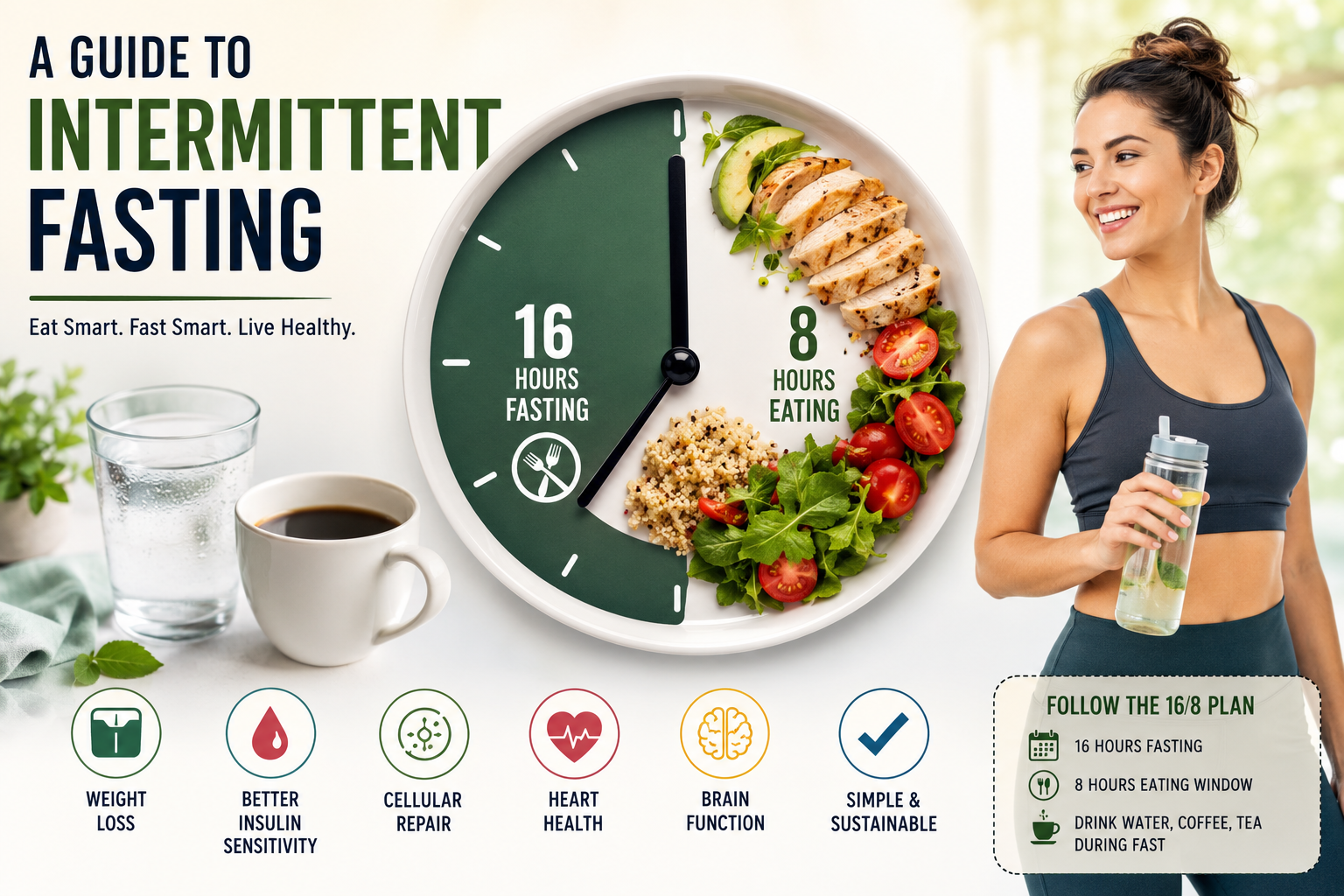
A Guide to Intermittent Fasting

Intermittent Fasting (IF) is an eating pattern that has gained significant popularity for its potential health benefits, including weight loss. Unlike traditional diets that focus on what you eat, intermittent fasting focuses on when you eat. Here’s a detailed breakdown of this approach.

1️⃣ What Is Intermittent Fasting?

Intermittent Fasting is not a diet in the conventional sense but rather an eating schedule. It involves cycling between periods of eating (known as the “feeding window”) and periods of voluntary fasting (the “fasting window”).

The core idea is to give your body a significant break from digestion. During the fasting period, your body exhausts its sugar stores and begins to burn fat for energy. This metabolic switch, along with hormonal changes, is believed to be the source of its many benefits.

Advertisement

2️⃣ Intermittent Fasting for Weight Loss

IF is a popular tool for weight loss for a few key reasons:

  • Calorie Restriction: By limiting your eating window to just a few hours a day, you often naturally consume fewer meals and, therefore, fewer calories.
  • Hormonal Changes: Fasting triggers several hormonal shifts that facilitate weight loss:
    • Insulin: Your body’s insulin levels drop significantly during a fast. Lower insulin levels make it easier for your body to access and burn stored body fat.
    • Human Growth Hormone (HGH): Levels of HGH can increase, which can help preserve muscle mass while promoting fat loss.
  • Metabolic Switching: After 12+ hours of fasting, your body starts to run out of its primary fuel (glucose) and switches to burning fat (ketones) for energy.

3️⃣ 16/8 Fasting Schedule Plan

The 16/8 method is the most popular and beginner-friendly approach to intermittent fasting.

  • The Plan: It involves fasting for 16 hours each day and restricting your eating to an 8-hour window.
  • Example Schedule: A common way to follow the 16/8 plan is to:
    • Fast: 8:00 PM to 12:00 PM (noon) the next day.
    • Eat: 12:00 PM to 8:00 PM.
    • This effectively means you skip breakfast, have your first meal at noon, and finish your last meal by 8 PM.
  • Flexibility: This window is flexible. You could choose a 10:00 AM to 6:00 PM window or a 1:00 PM to 9:00 PM window, depending on your lifestyle and preferences.
  • During the Fast: You are encouraged to drink zero-calorie beverages like water, black coffee, and black or green tea to stay hydrated and manage hunger.

4️⃣ Benefits of Intermittent Fasting

While weight loss is the most common goal, research suggests several other potential benefits:

  • Improved Insulin Sensitivity: IF can significantly reduce insulin resistance, which may lower the risk of developing Type 2 diabetes.
  • Cellular Repair (Autophagy): Fasting triggers a cellular “clean-up” process called autophagy, where your cells remove old, dysfunctional proteins and waste products.
  • Heart Health: May improve several risk factors for heart disease, including blood pressure, cholesterol levels, and triglycerides.
  • Brain Health: Fasting may increase a brain hormone called BDNF (Brain-Derived Neurotrophic Factor), which can help grow new neurons and protect against conditions like Alzheimer’s.
  • Simplicity: Many people find it easier to follow than complex, restrictive diets that require constant calorie counting.

5️⃣ Intermittent Fasting for Women

This is an important consideration, as women’s bodies can be more sensitive to fasting due to hormonal cycles.

  • Potential Issues: For some women, prolonged or overly strict fasting may lead to hormonal disruptions, potentially causing irregular periods, amenorrhea (loss of period), or fertility issues.
  • Recommendations:
    • Start Slowly: Women are often advised to start with shorter fasting windows (e.g., 12-14 hours) and gradually increase if they feel comfortable.
    • Listen to Your Body: Pay close attention to signals like energy levels, sleep quality, and menstrual cycle regularity.
    • Consult a Doctor: It is highly recommended that women consult a doctor before starting IF, especially if they are pregnant, breastfeeding, trying to conceive, or have a history of eating disorders.

6️⃣ Intermittent Fasting Mistakes

Here are common pitfalls to avoid:

  1. Binging in the Eating Window: “Rewarding” yourself with high-calorie junk food can completely negate the benefits and the calorie deficit created by fasting.
  2. Poor Food Quality: Focusing only on when you eat and ignoring what you eat. Your body still needs nutrients, so a diet of processed foods will not make you healthier.
  3. Dehydration: Forgetting to drink water during the fasting window. Your body still needs water, and it helps manage hunger.
  4. Starting Too Aggressively: Jumping into a 20-hour or 24-hour fast without easing into it can lead to extreme hunger, dizziness, and burnout.
  5. Ignoring Body Signals: Pushing through severe dizziness, fatigue, or weakness. Fasting should not make you feel unwell.

7️⃣ Best Foods to Eat During Your Eating Window

While fasting means consuming no calories, your eating window is all about refueling your body with nutrient-dense foods.

  • How to Break a Fast: It’s often best to break your fast with a small, easily digestible meal before moving on to a larger one, especially after a longer fast.
  • Focus on Whole Foods:
    • Lean Protein: Chicken, fish, beans, lentils, tofu, and eggs. Protein helps you feel full and maintain muscle.
    • Healthy Fats: Avocado, nuts, seeds, and olive oil. Fats provide sustained energy.
    • Complex Carbohydrates: Quinoa, brown rice, sweet potatoes, oats, and whole-grain bread.
    • Fruits & Vegetables: A wide variety will provide essential vitamins, minerals, and fiber.
  • Hydration: Continue to drink water even during your eating window.

⚠️ Health Disclaimer

The information provided in this content is for educational and informational purposes only and is not intended as medical advice. Intermittent fasting may not be suitable for everyone.
Always consult your doctor or a qualified healthcare professional before starting any fasting routine, diet plan, or fitness program — especially if you are pregnant, breastfeeding, under 18, or have a medical condition such as diabetes or eating disorders.
Individual results may vary depending on age, gender, body type, and lifestyle.